

In the mid-11th century the Seljuk Turks moved westwards from Central Asia and quickly took possession of Iran and Mesopotamia. Their first raids into Armenia began as early as the 1040s, when the trading town of Artsn near Karin (Erzurum) was destroyed. In 1064 Sultan Alp Arslan captured Ani, and in 1071 at the Battle of Manzikert he routed the Byzantine army and took Emperor Romanos IV Diogenes prisoner. After this defeat Byzantium's eastern defences collapsed, and Turkic tribes gradually settled in the Armenian Highlands and Asia Minor.
The invasions brought destruction, the carrying off of captives and heavy taxes. Many Armenian princes migrated with their subjects to Cappadocia, the Euphrates basin and Cilicia, where a new Armenian state would later arise. In Armenia proper, power passed to various local rulers; Ani, for example, was governed from 1072 by the Shaddadid emirs, a dynasty of Kurdish origin under whom the city kept its commercial importance. The Armenian kingdom of Syunik survived until 1170, and the Kyurikids of Tashir-Dzoraget held on to part of their lands for a long time afterwards.
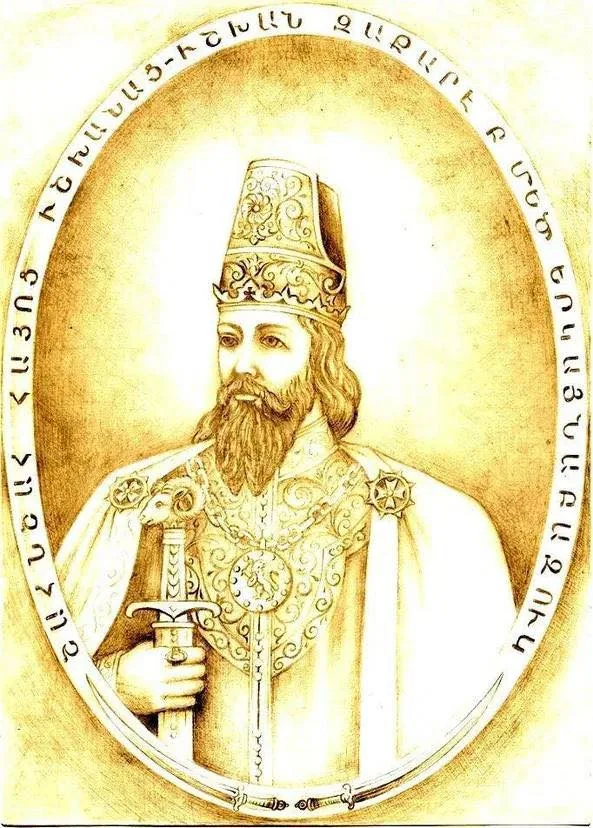
In the 12th century the Kingdom of Georgia grew stronger in the region. David IV the Builder (1089–1125) defeated the Seljuks and briefly took Ani in 1124. Under Queen Tamar (1184–1213) the Georgian army came to be led by the Armenian brothers Zakare and Ivane Zakarian (known in Georgian sources as Mkhargrdzeli). Zakare became commander-in-chief, amirspasalar, and Ivane later received the title of atabeg. Zakare remained a member of the Armenian Apostolic Church, while Ivane adopted Georgian Orthodoxy. In the late 12th and early 13th centuries the brothers freed most of northern and central Armenia, including Ani (1199), Dvin and Kars. Their domains formed part of the Georgian kingdom but enjoyed broad autonomy.
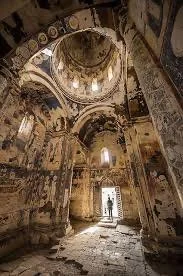
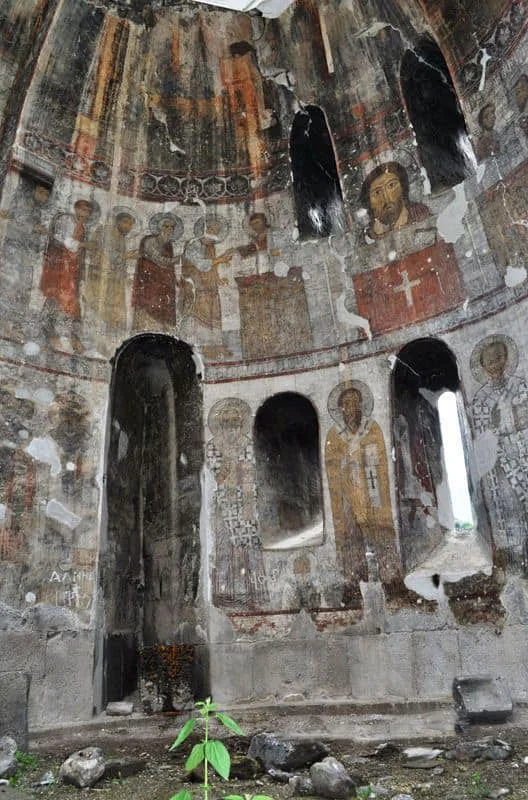
Under the Zakarians' protection their vassal princely houses flourished: the Orbelians of Syunik, the Proshians of Vayots Dzor, the Vachutians and the Hasan-Jalalians of Artsakh. Towns revived, trade quickened and a wealthy merchant class emerged. In Ani the merchant Tigran Honents built the Church of Saint Gregory in 1215, its interior decorated with wall paintings. In Artsakh Hasan-Jalal built the Cathedral of Saint John the Baptist at Gandzasar (1216–1238), and the main church of Dadivank was built in 1214 at the commission of Princess Arzu Khatun.
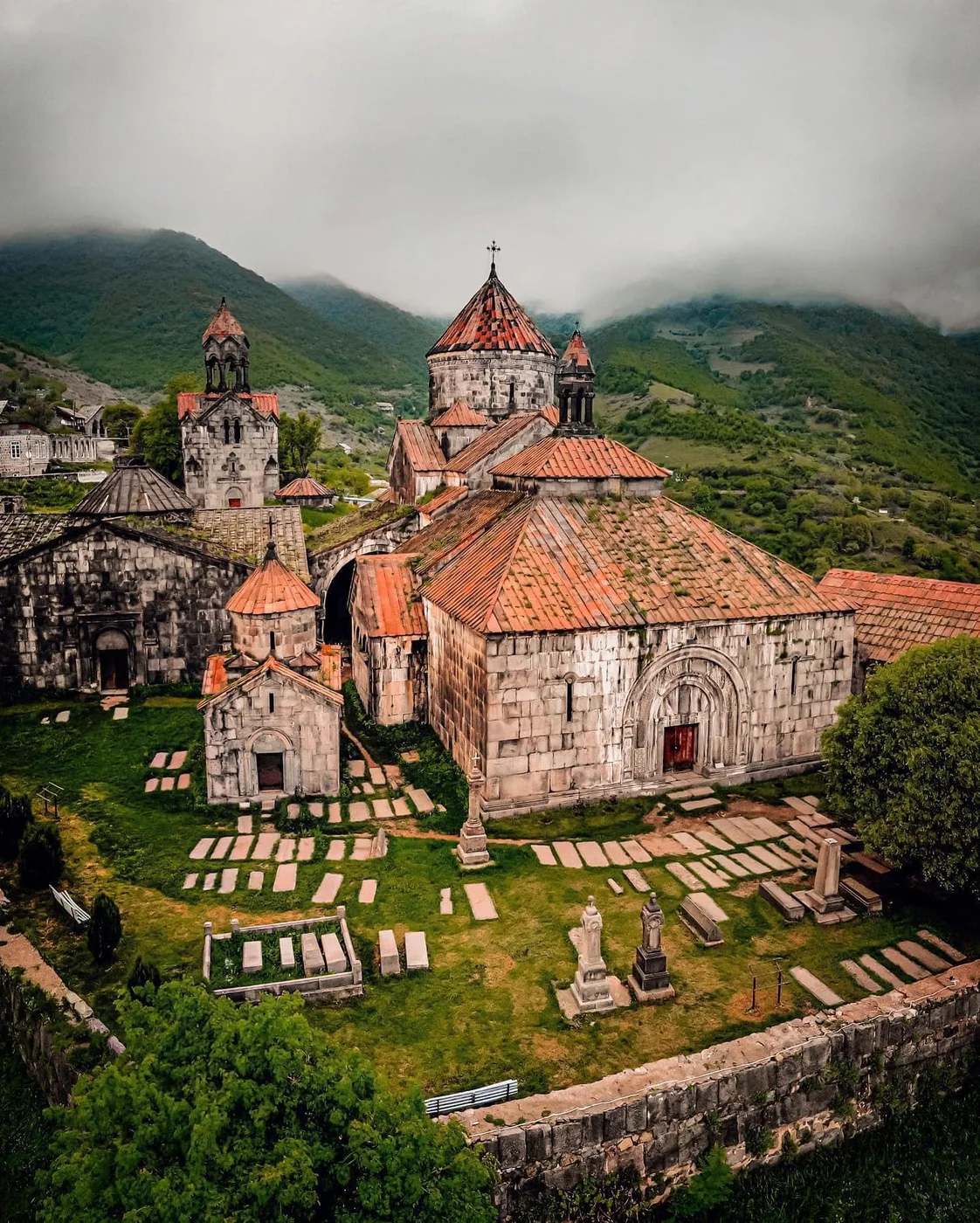
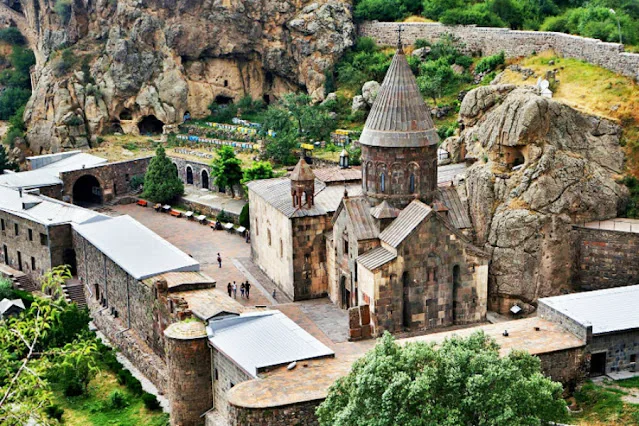
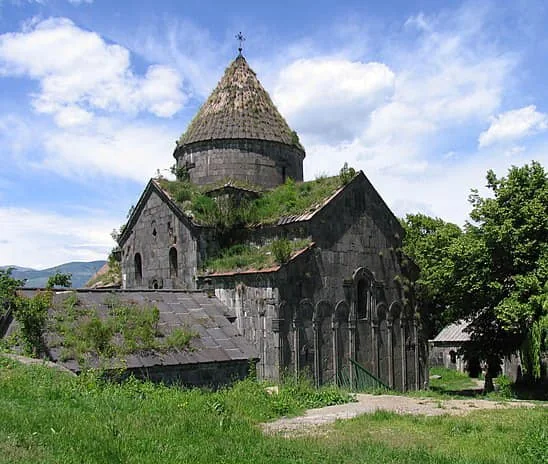
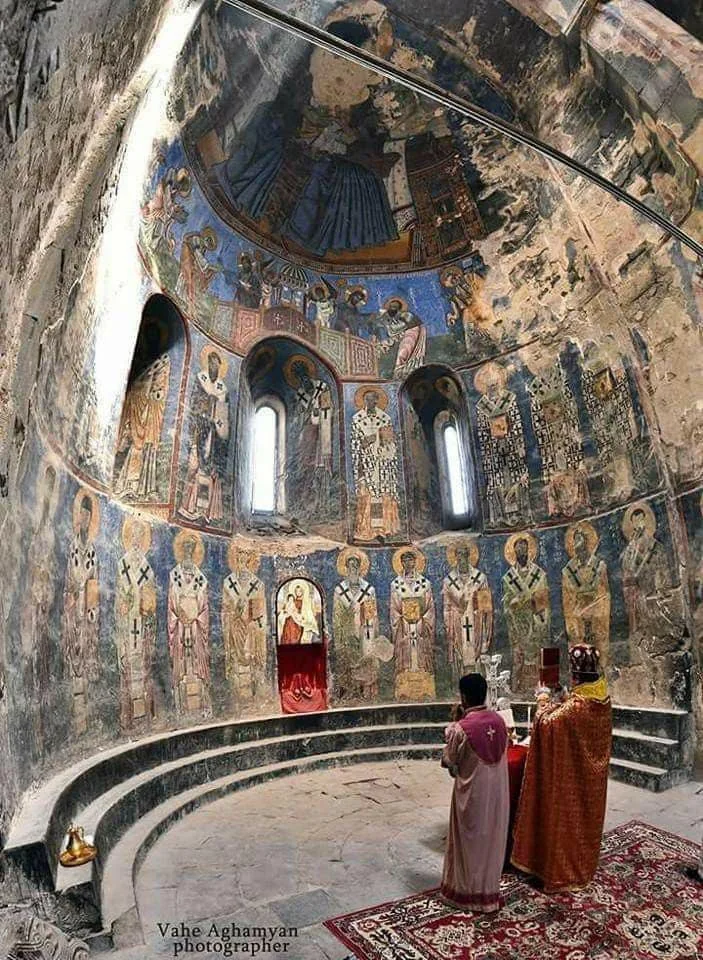
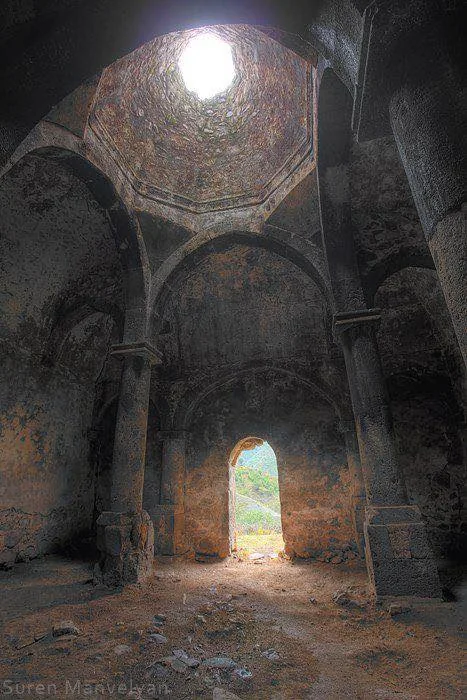
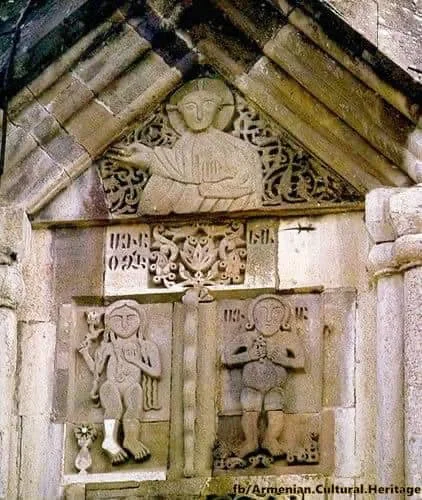
In this era monasteries became important centres of education and learning. The monasteries of Haghpat and Sanahin in Lori had schools, scriptoria and libraries, and gavits (narthexes) and bell towers were built there. The main church of the Geghard monastery was built in 1215, while its rock-cut halls were hollowed out later in the 13th century under the patronage of the Proshian princes. Haghartsin, Kobayr, Akhtala and Kecharis are also notable monuments of this period, some of which preserve wall paintings, and the art of the khachkar reached great refinement.
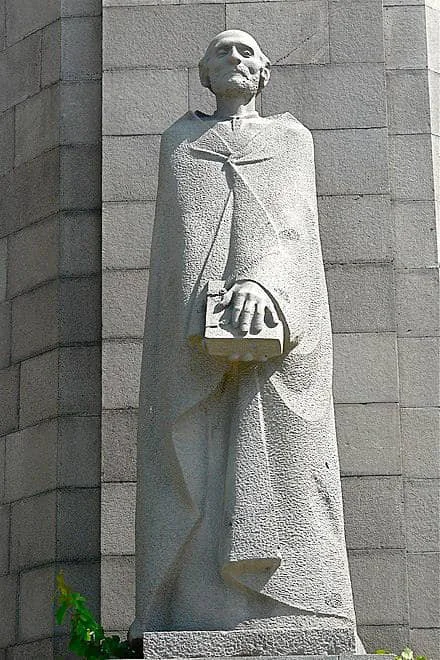
One of the major thinkers of the time was Mkhitar Gosh (about 1130–1213), a vardapet (church teacher), jurist and author of fables. In 1184 he compiled his Lawcode (Datastanagirk), in which the norms of secular law were systematised alongside church canons. It was later applied in Cilicia and in Armenian communities and was translated into Latin for the Armenians of Poland. In 1188 Mkhitar Gosh founded the monastery of Nor Getik in Tavush, which after his death was named Goshavank. His fables present the moral and social ideas of the time in plain language.
The flowering of Zakarian rule lasted a few decades. In the 1220s the first Mongol detachments passed through Armenia, followed by the troops of the Khwarazm-Shah Jalal al-Din, which ravaged the country. In 1236 the Mongols took Ani, and the Armenian and Georgian princes were forced to recognise the supremacy of the Mongol Empire. Nevertheless, the monasteries, the centres of manuscript writing and the legal tradition created under the Zakarians became the foundation on which Armenian culture continued to live through the following centuries of foreign rule.