Armenia
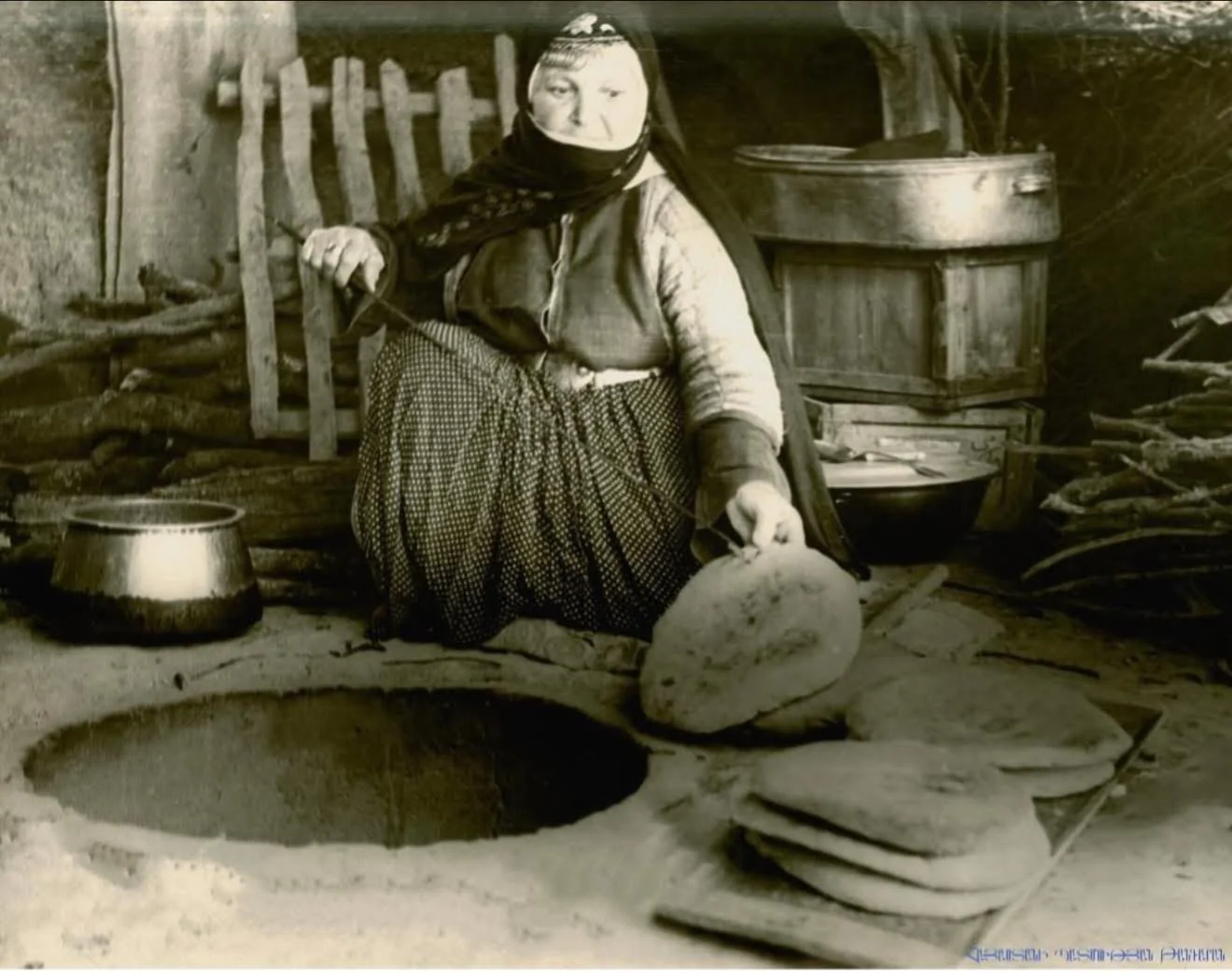
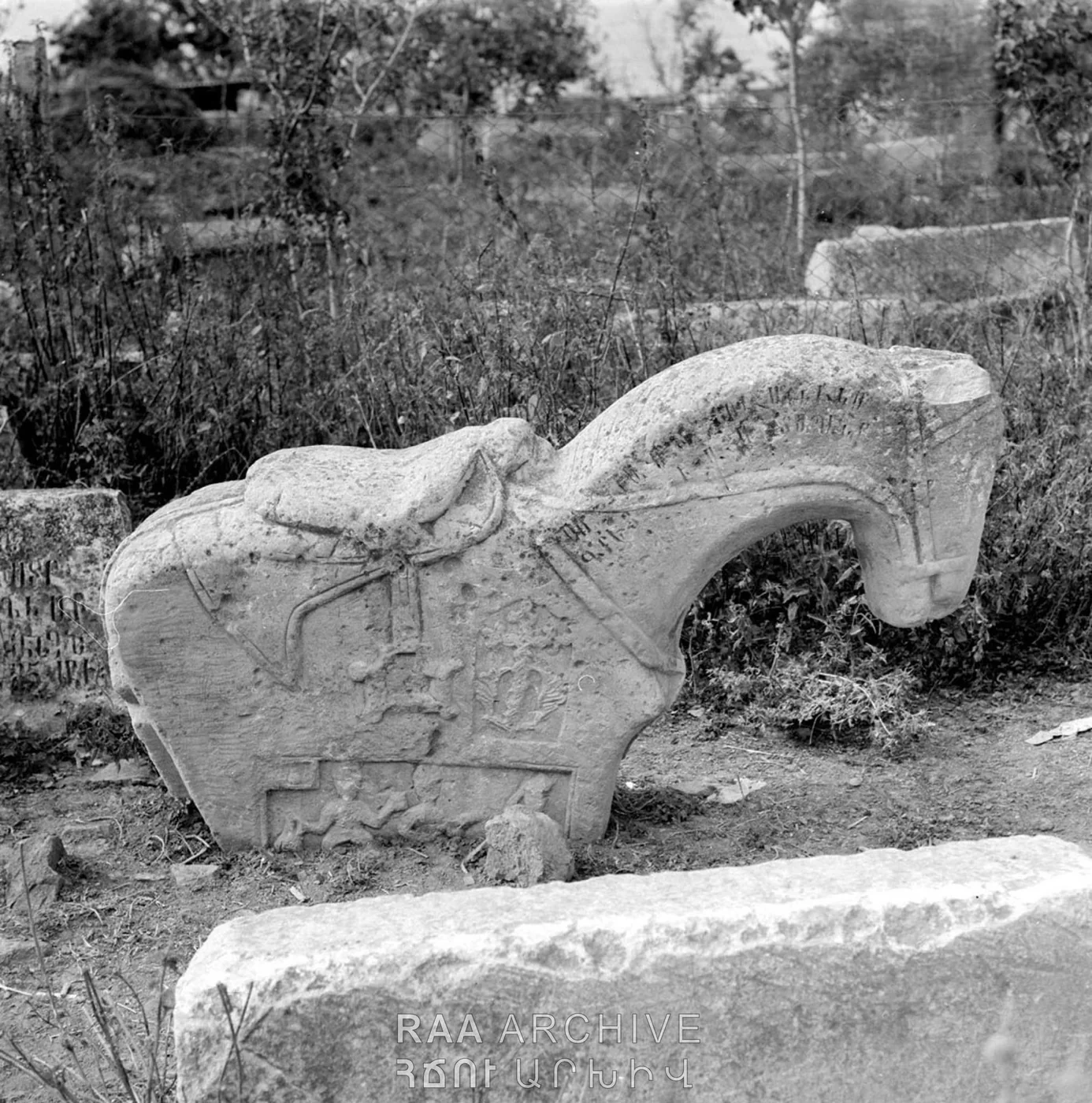
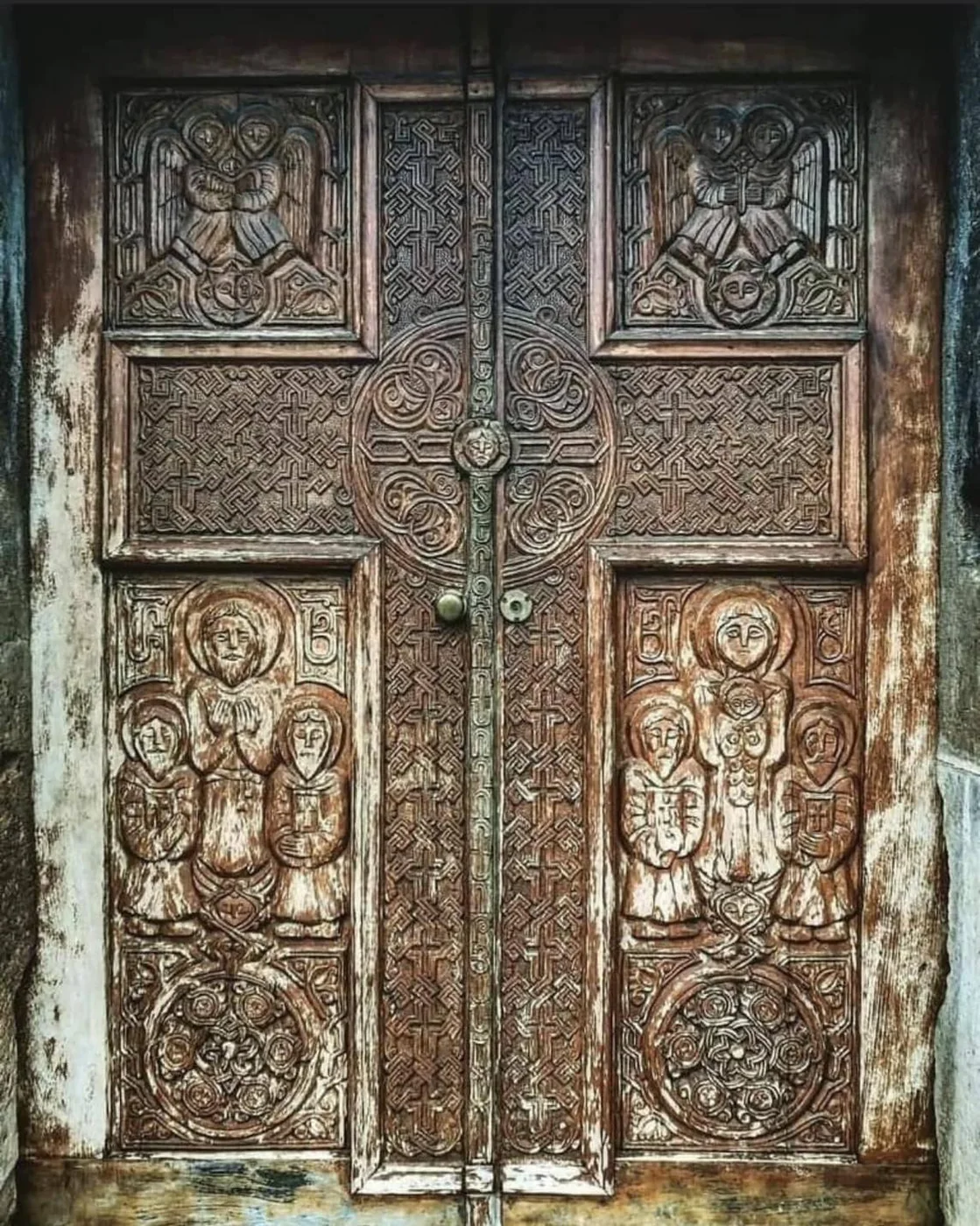
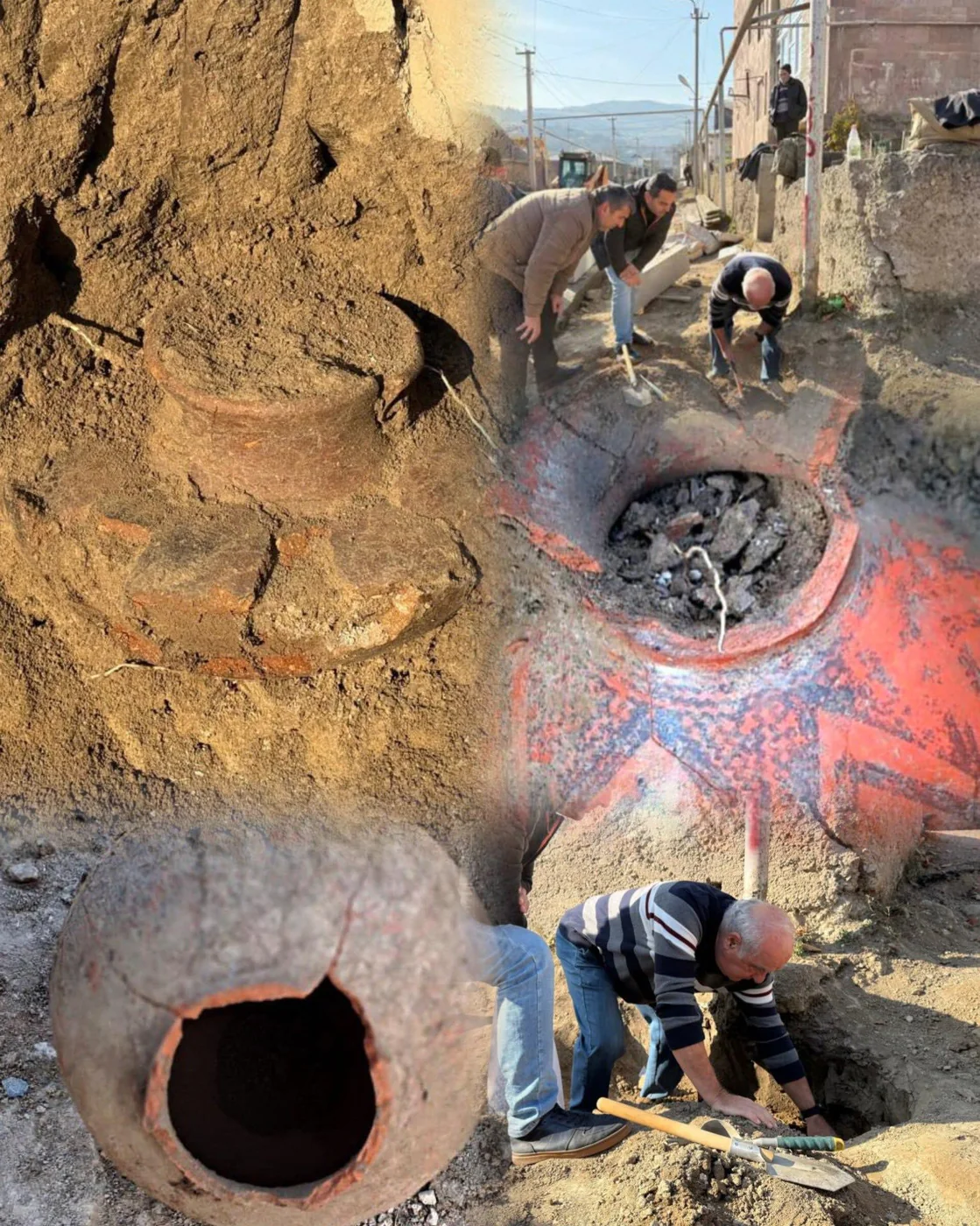
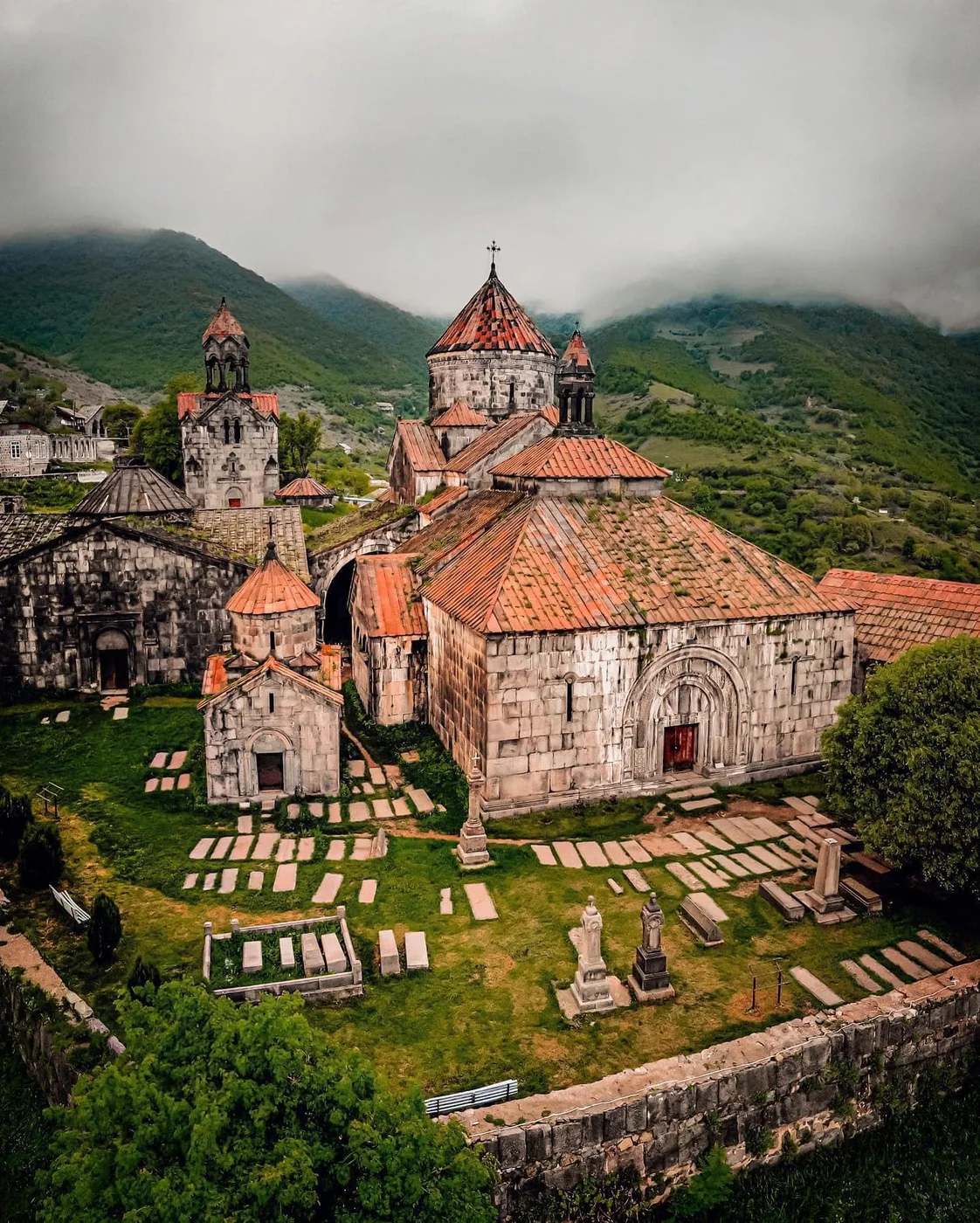
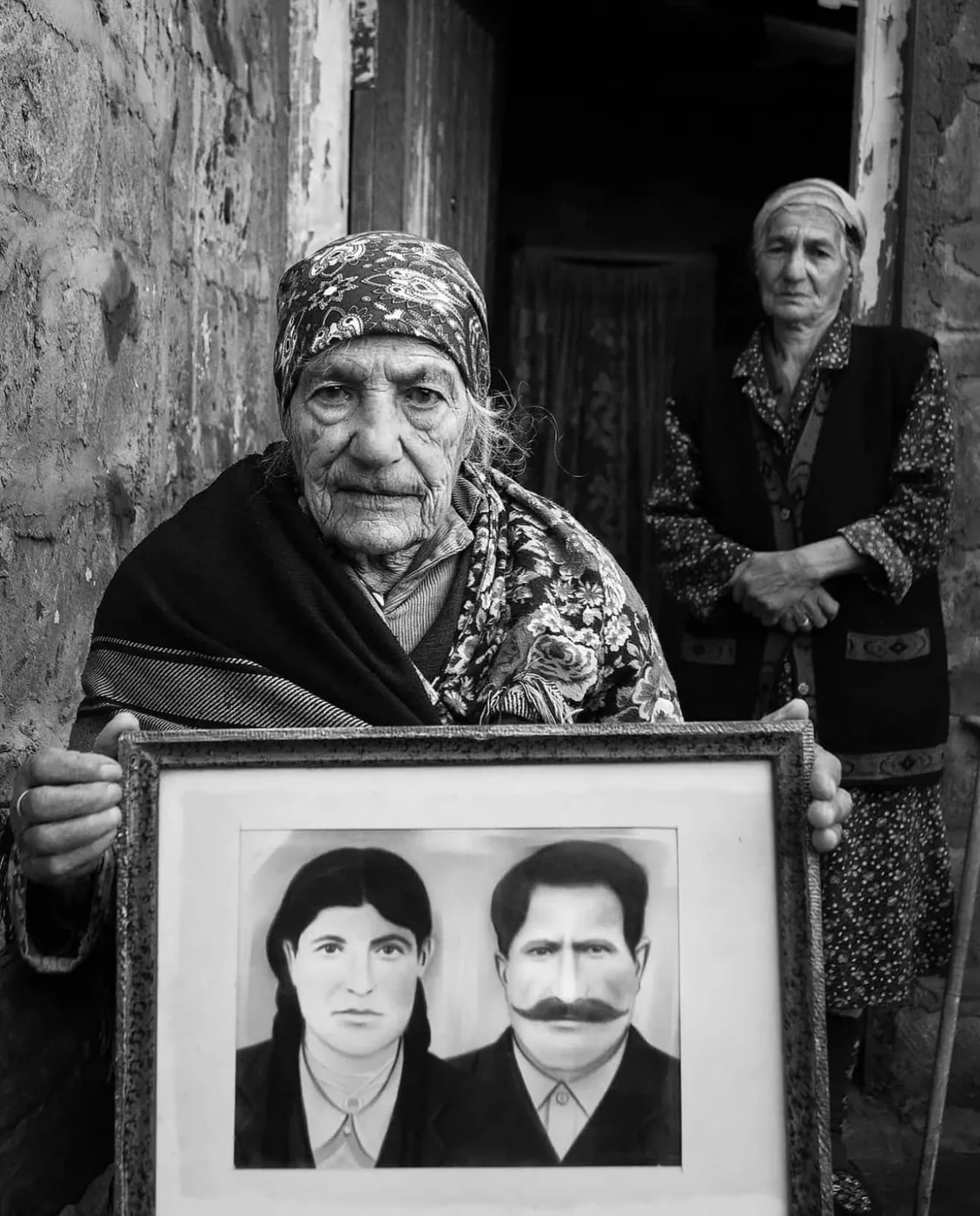
Today’s Republic of Armenia, from Yerevan and Gyumri to Syunik: ancient settlements, monasteries, khachkars and twentieth-century life.
Armenian history unfolded across a vast area, from the Armenian Highlands to the Mediterranean, and today lives on in every corner of the world. Choose a region.

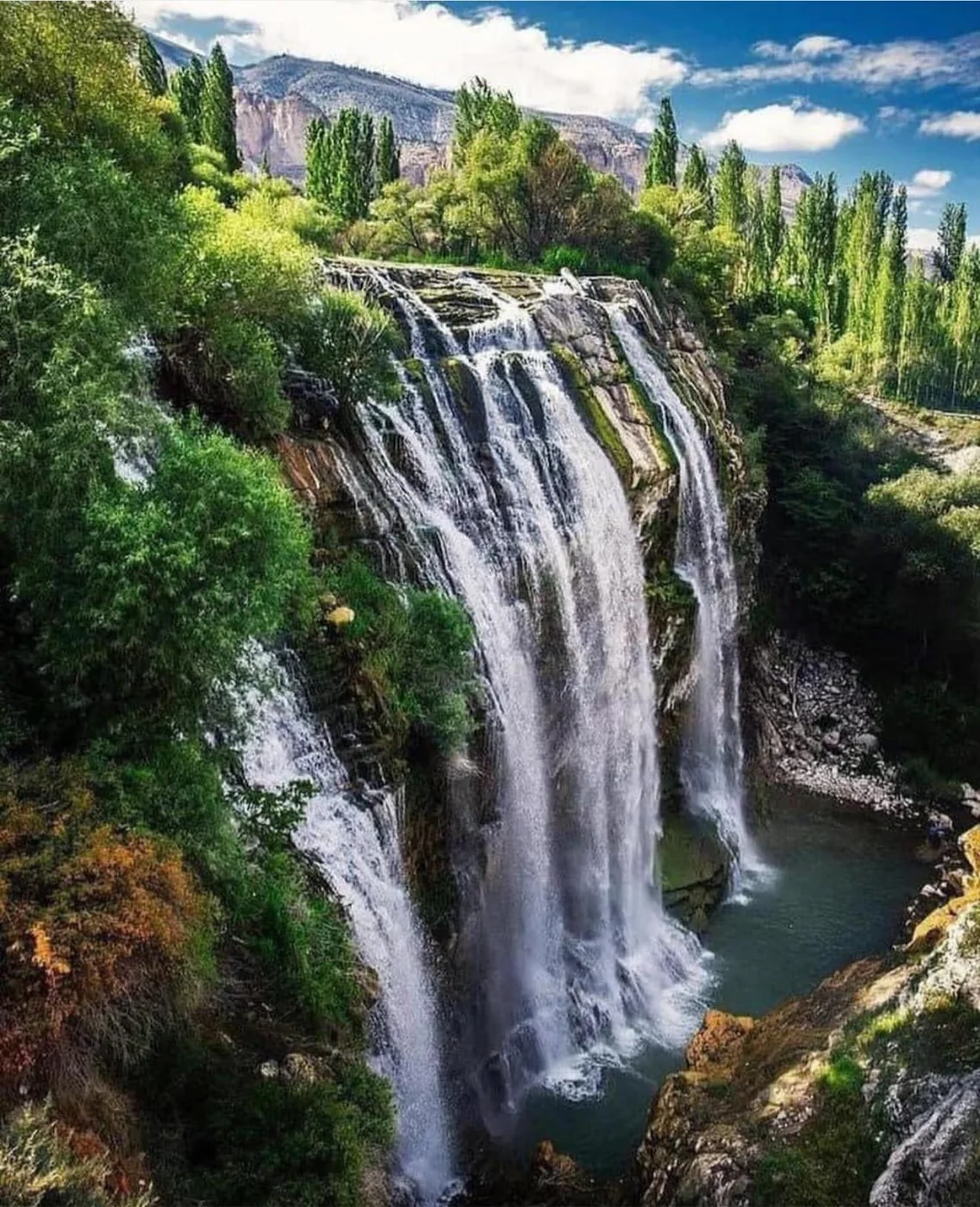
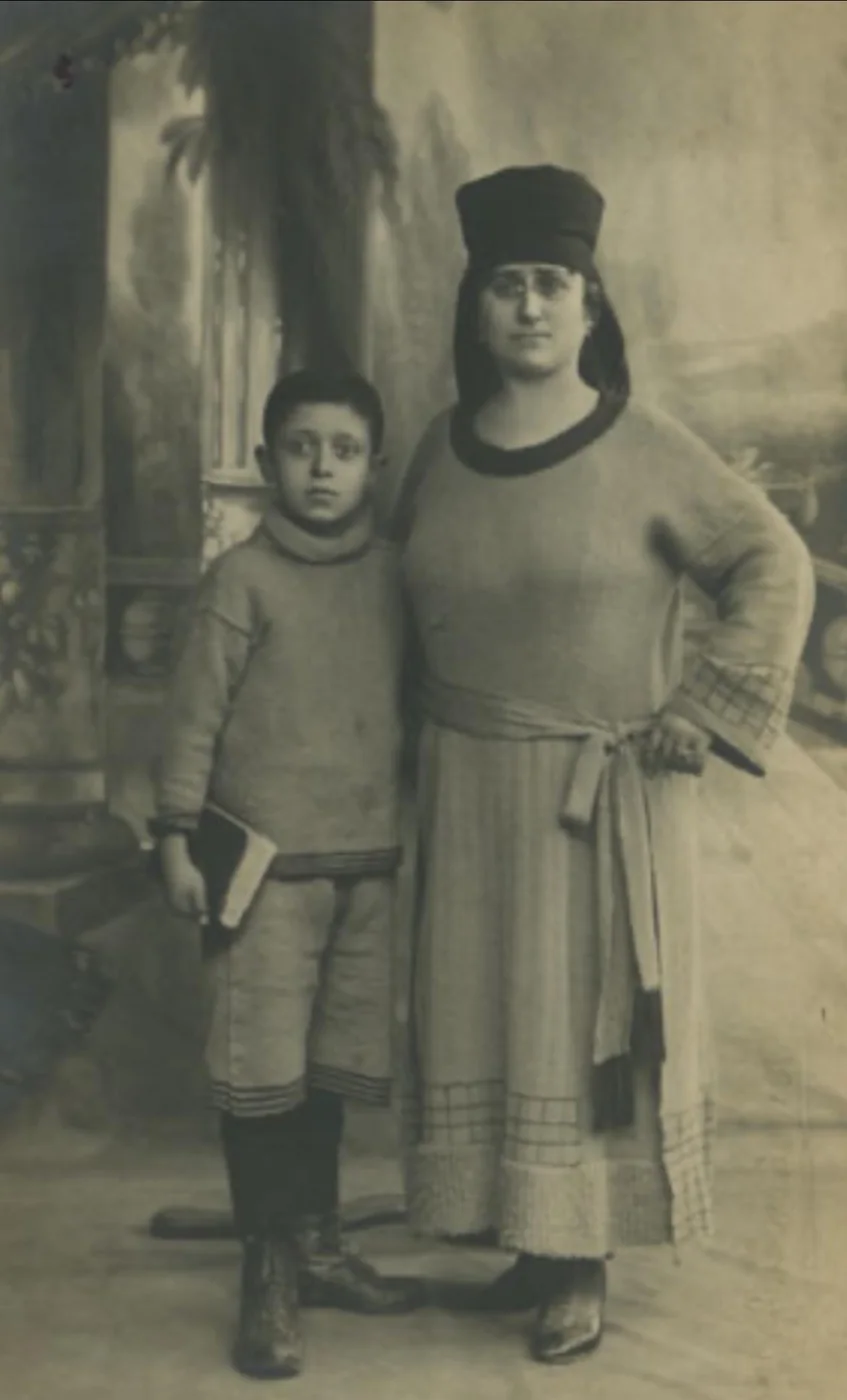
Today’s Republic of Armenia, from Yerevan and Gyumri to Syunik: ancient settlements, monasteries, khachkars and twentieth-century life.

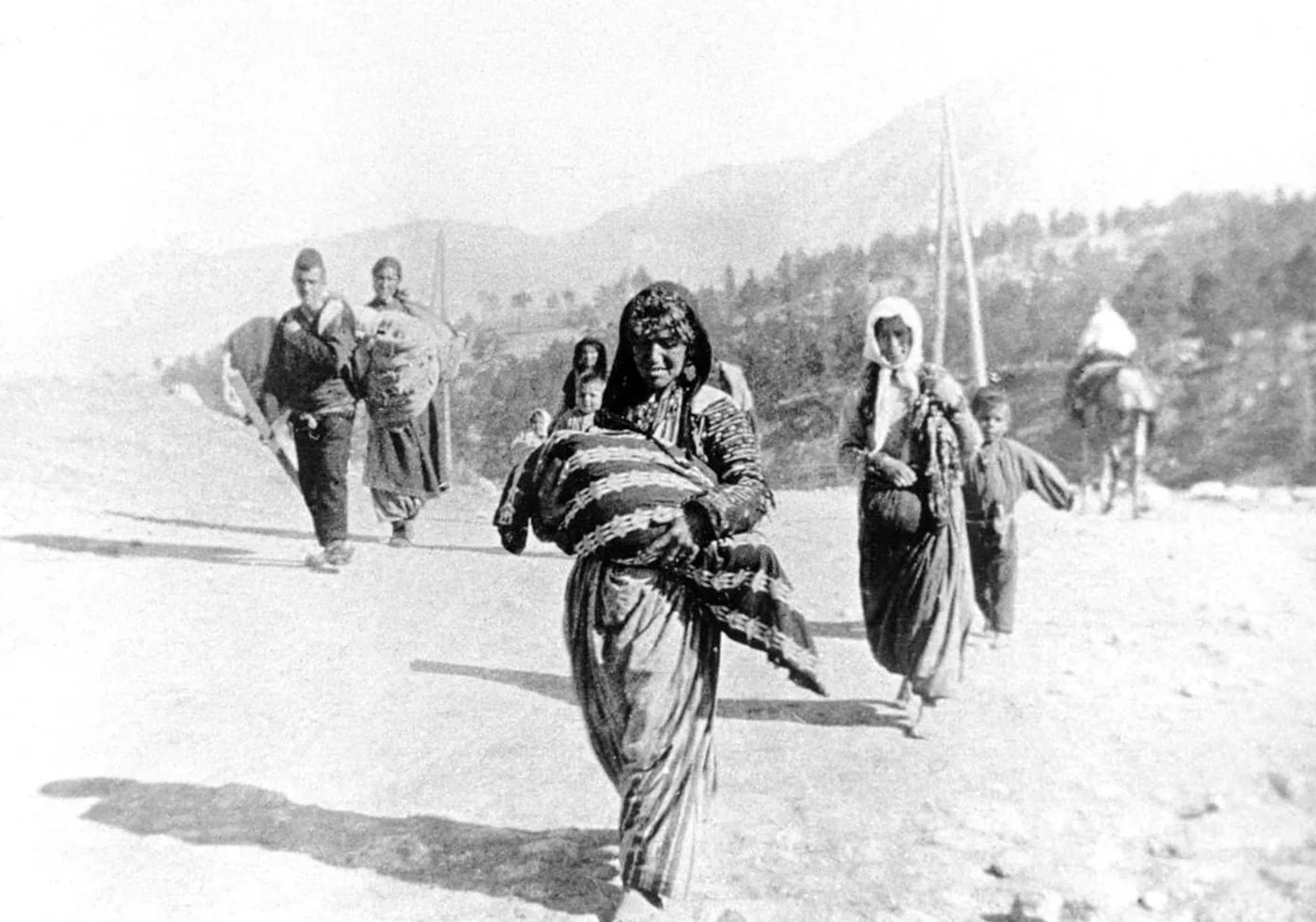
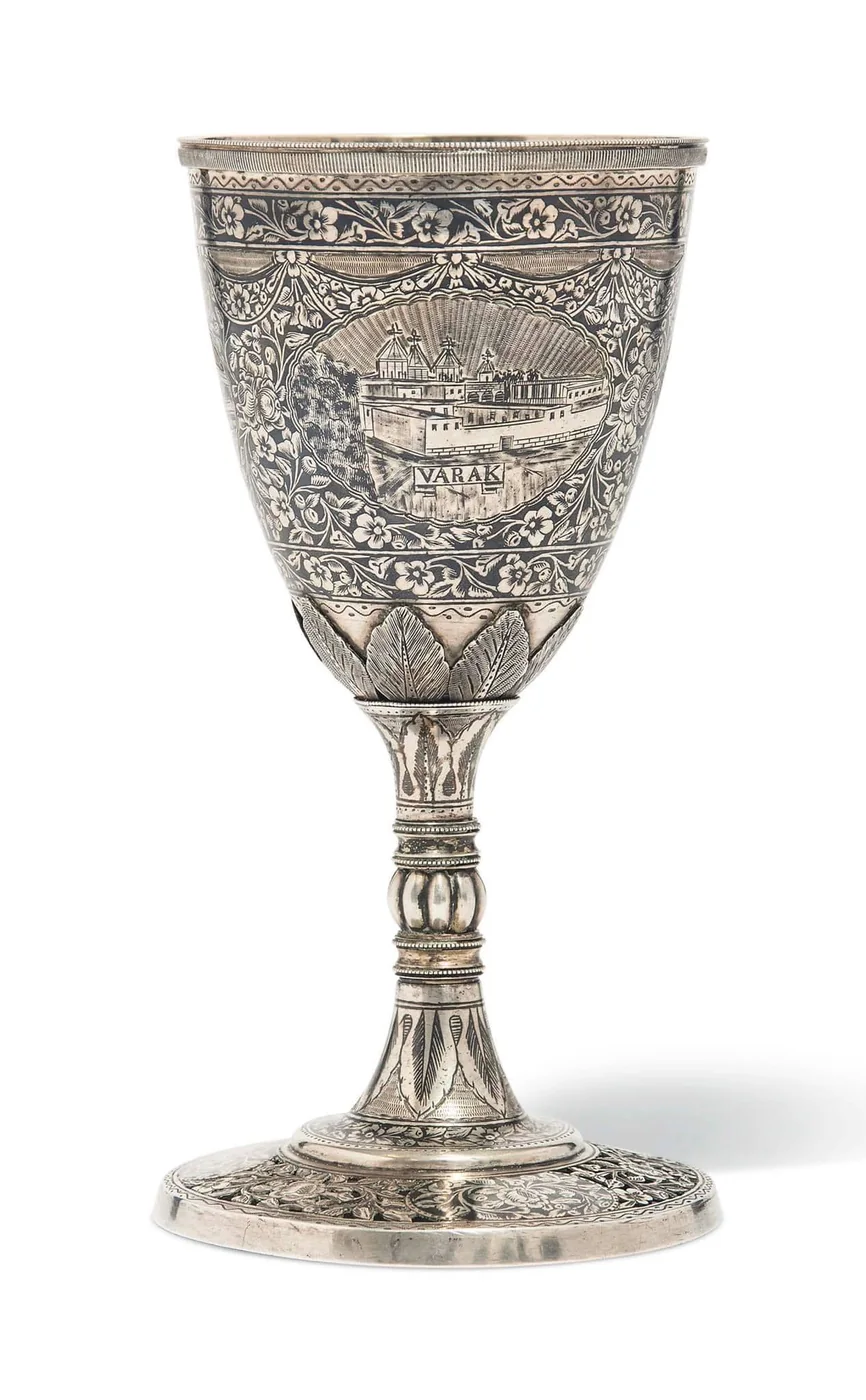
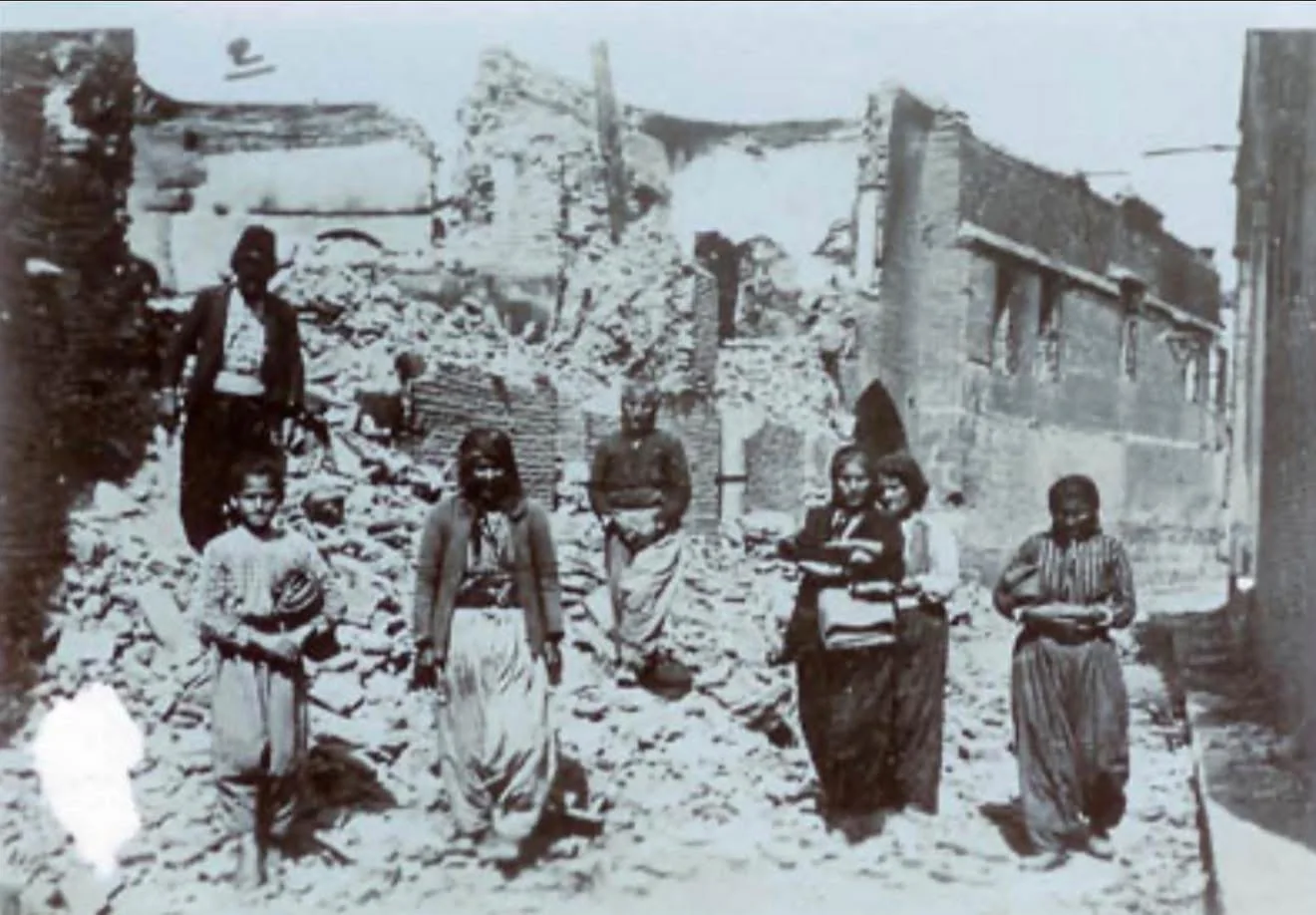
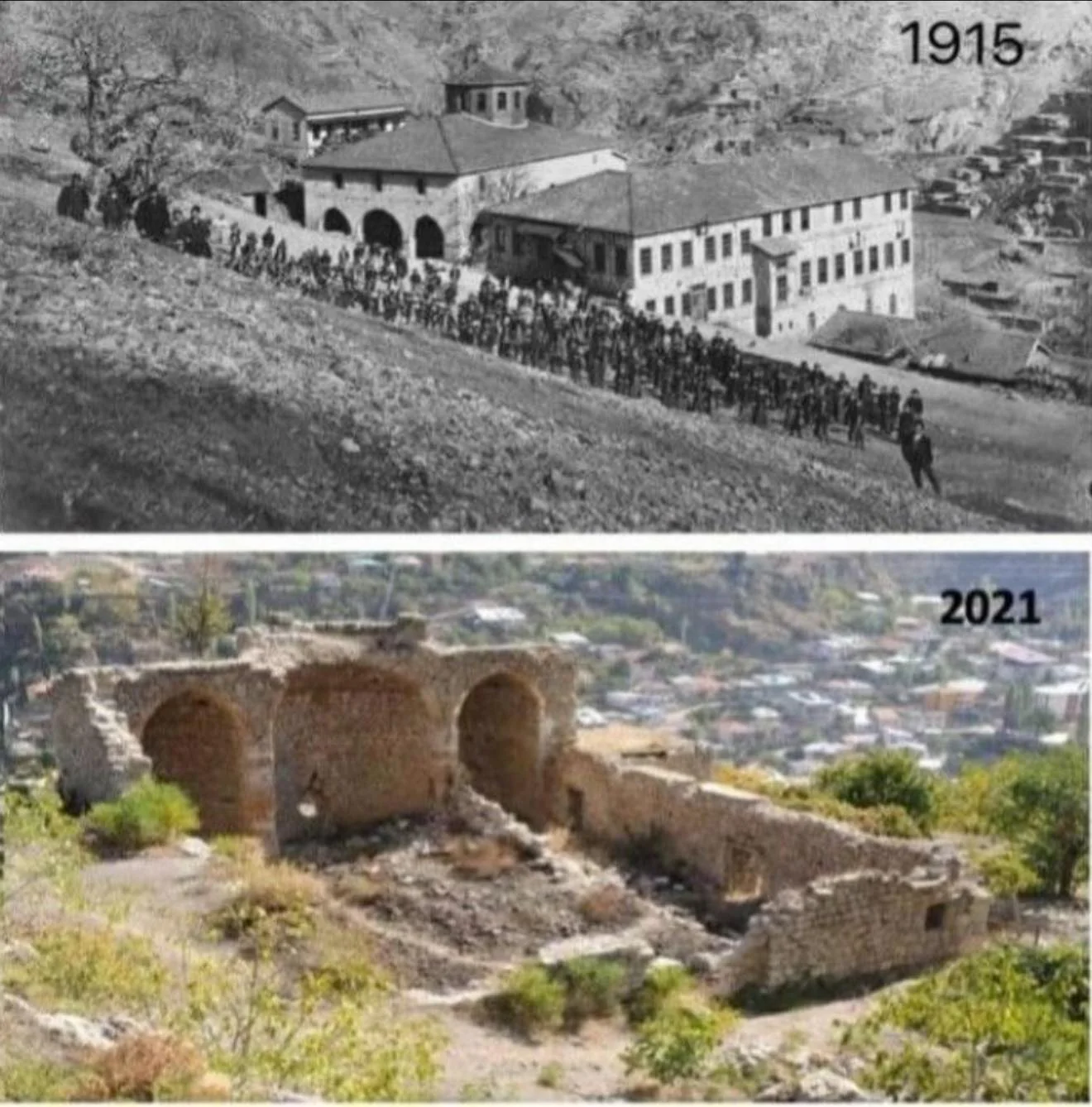
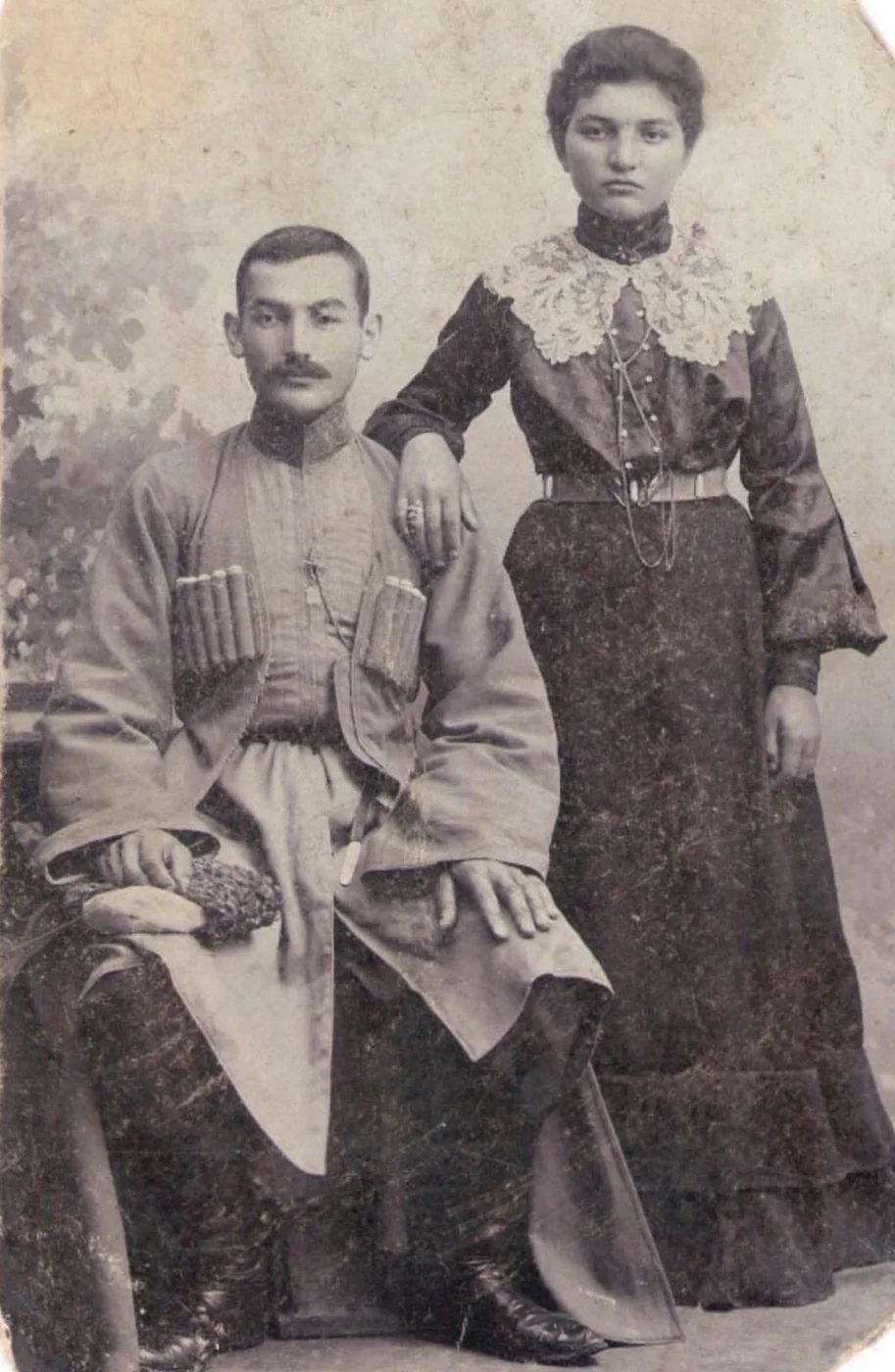
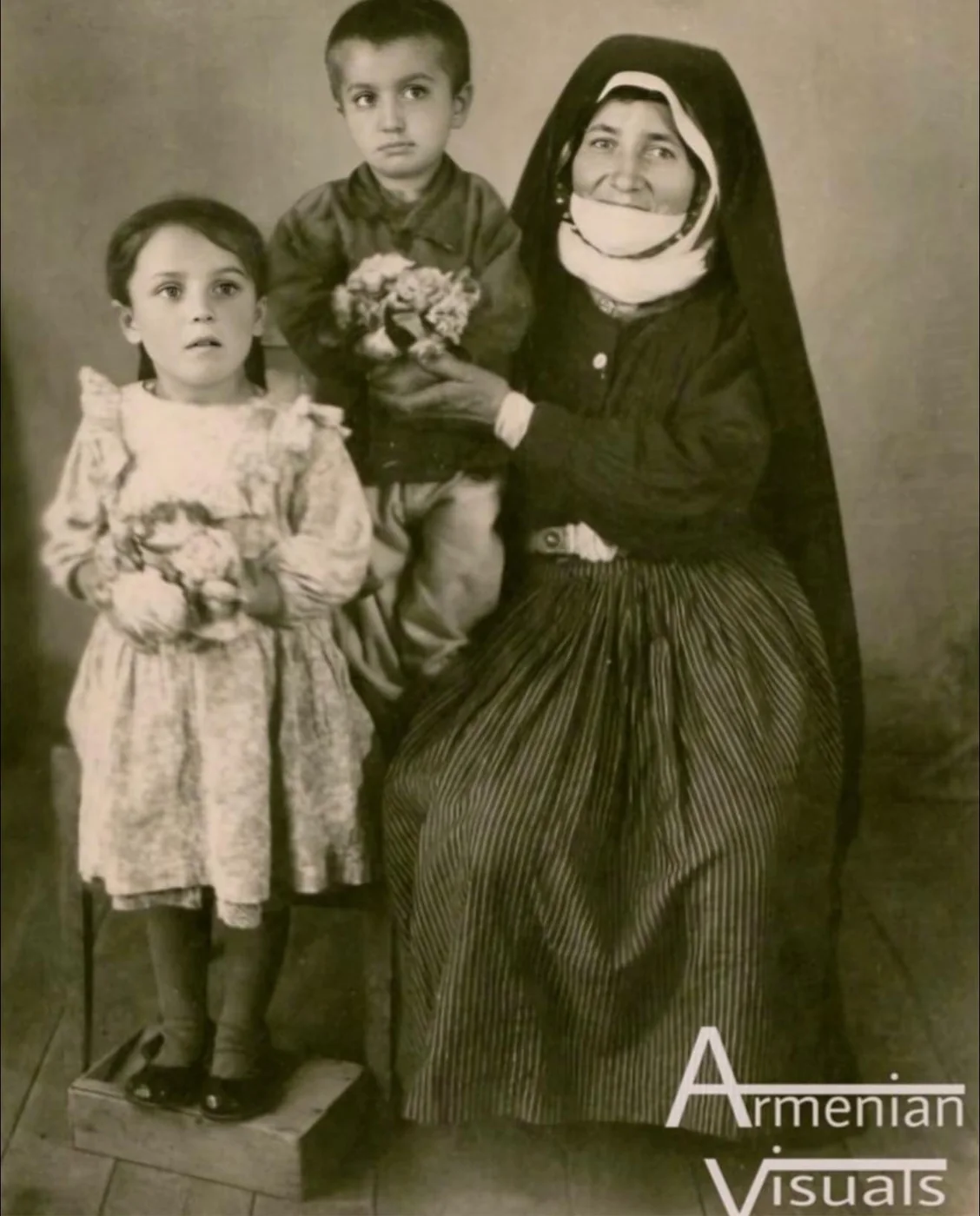
The western part of the Armenian Highlands, from Van and Mush to Karin (Erzurum) and Kharberd: Armenian towns and villages whose life was cut short in 1915.

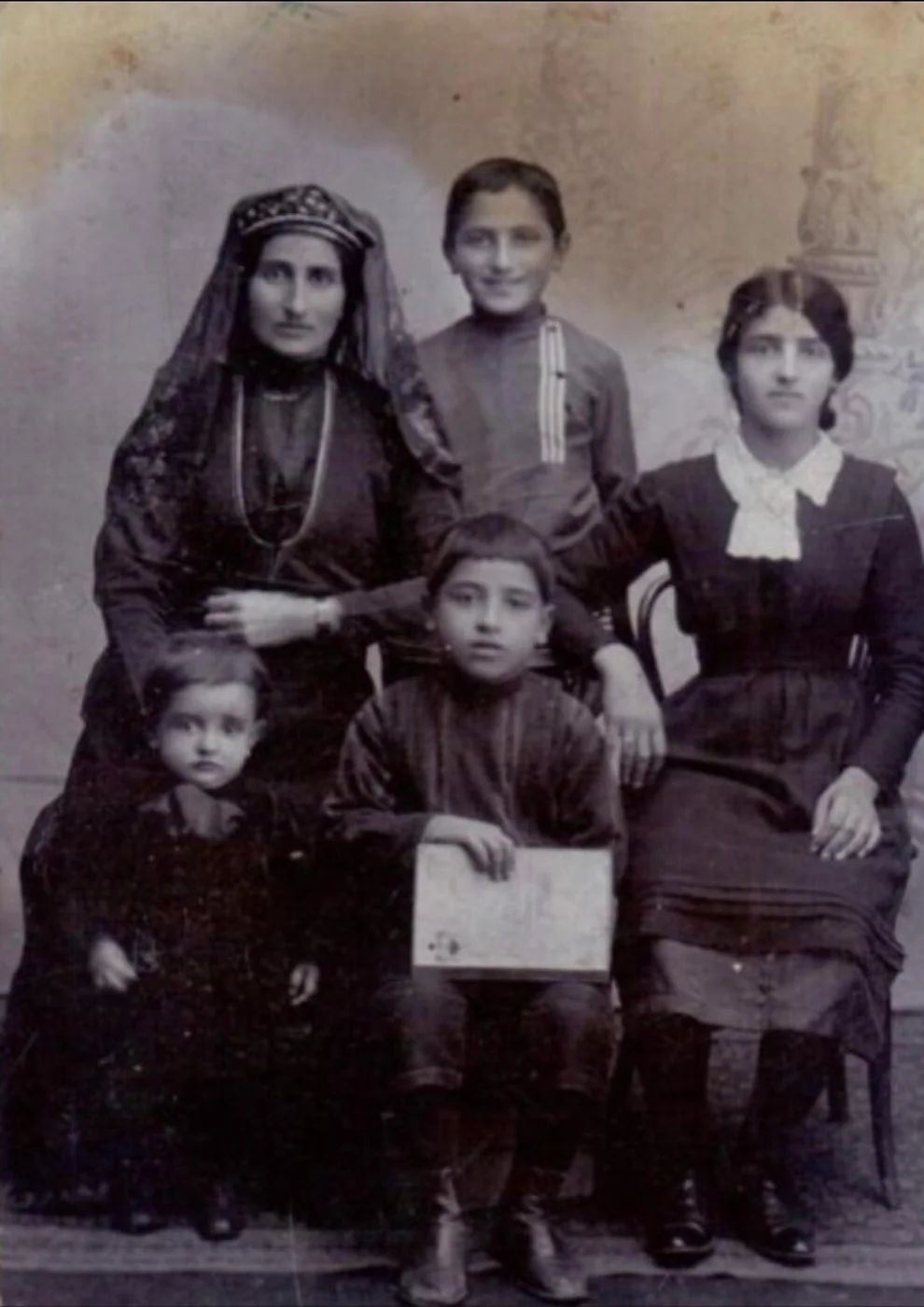
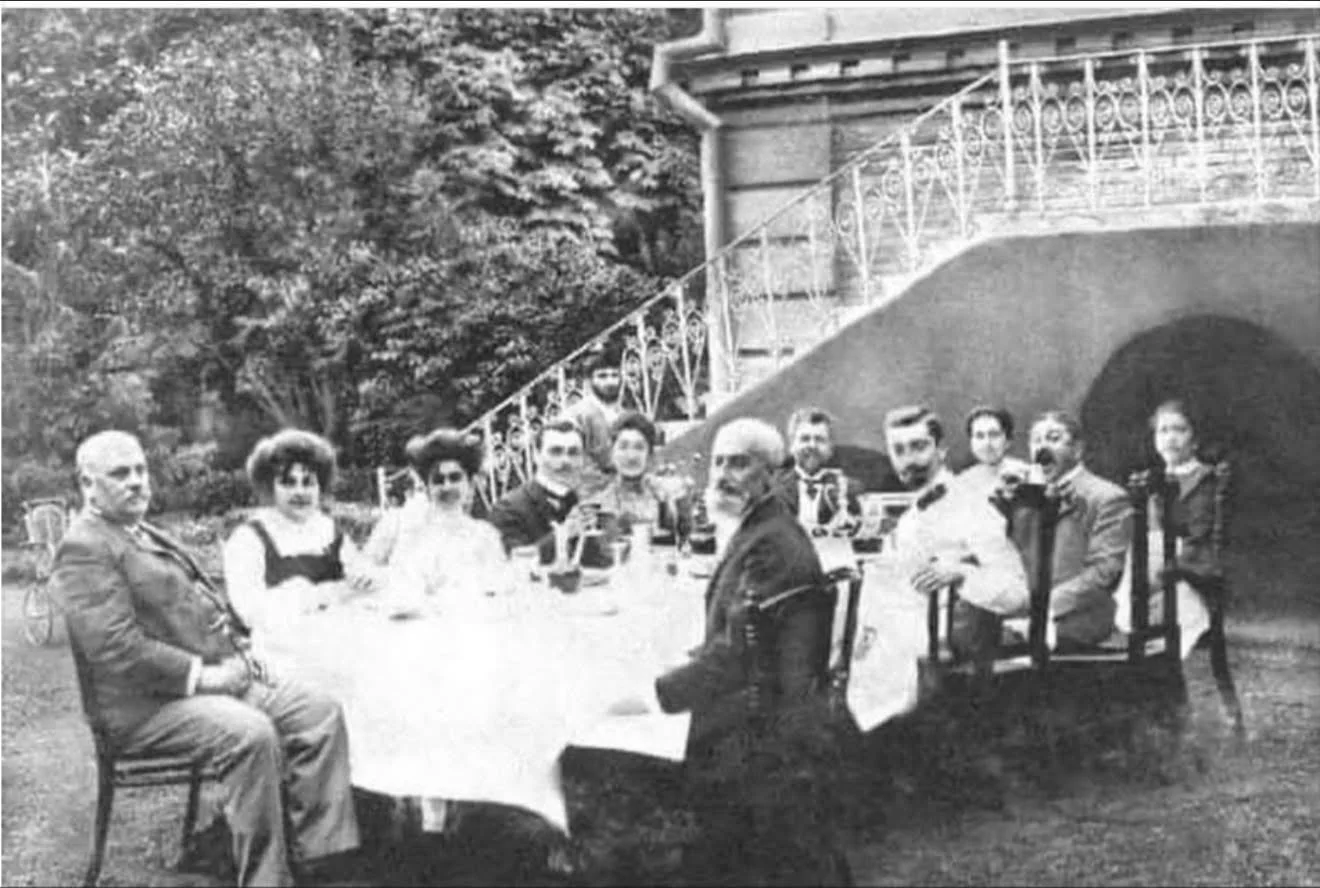
Armenian communities across the world, from the Middle East to Europe and the Americas, and the people who kept their Armenian identity alive.

Armenian traces in many parts of the world, and items that do not belong to a single region.

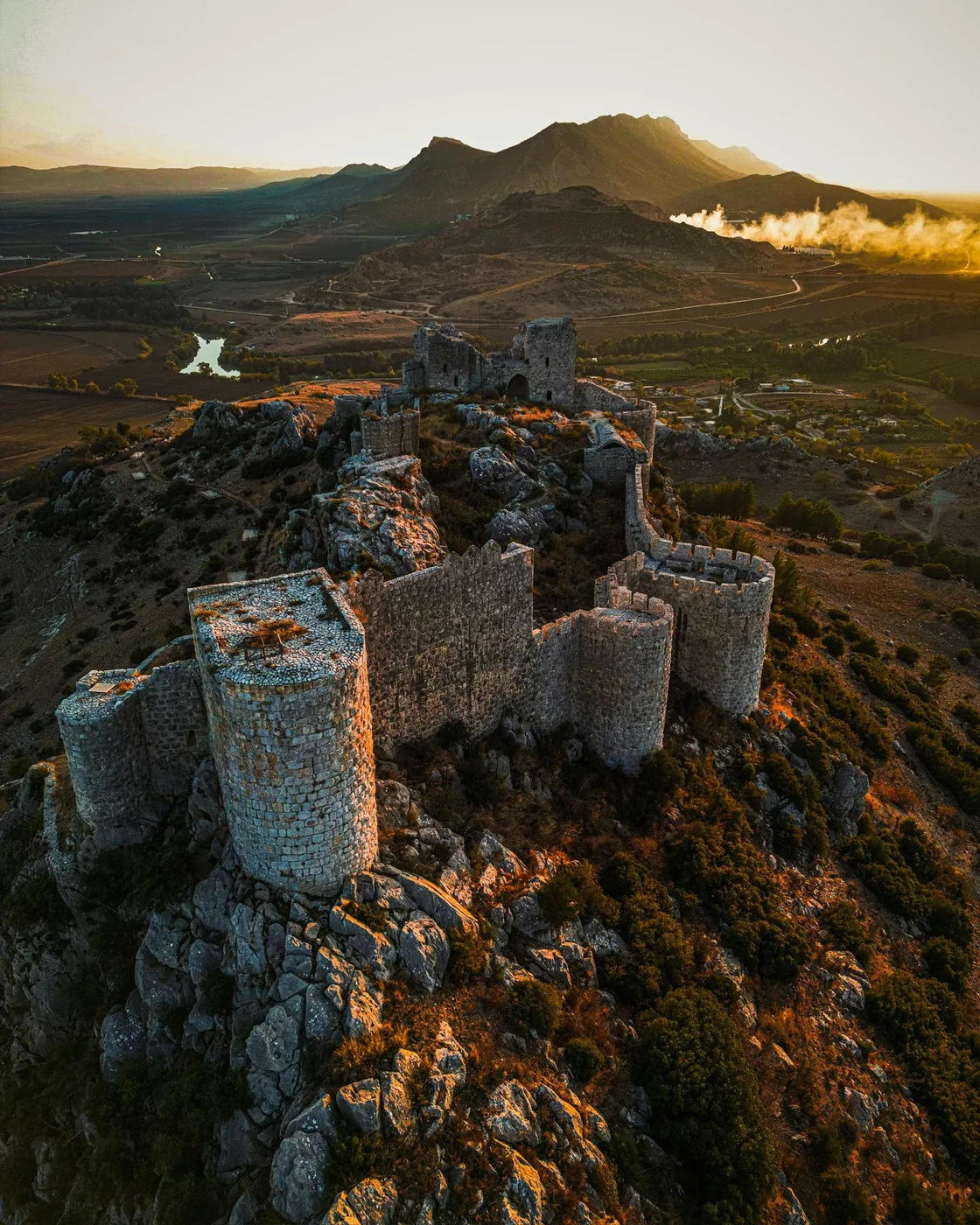
A land on the Mediterranean coast where an Armenian state existed from the 11th to the 14th century: Sis, Adana, Tarsus, Marash.

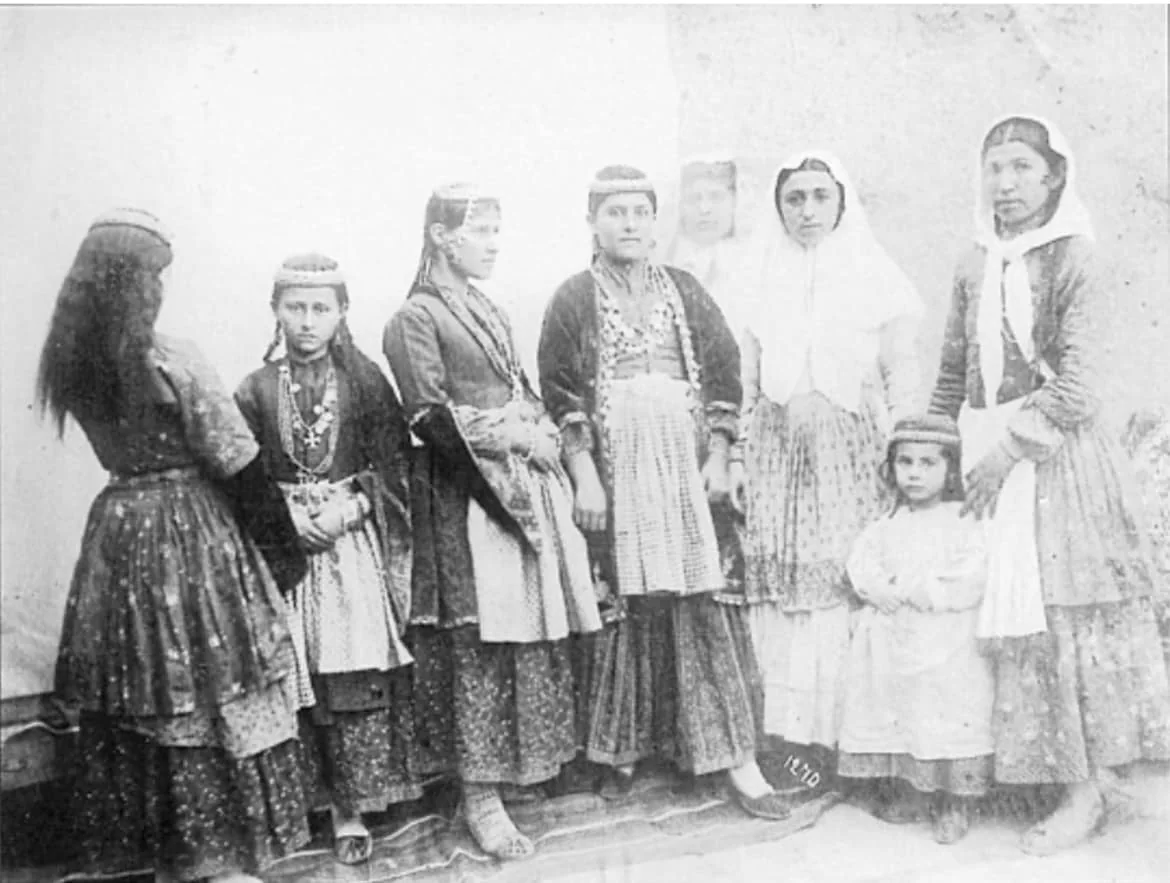
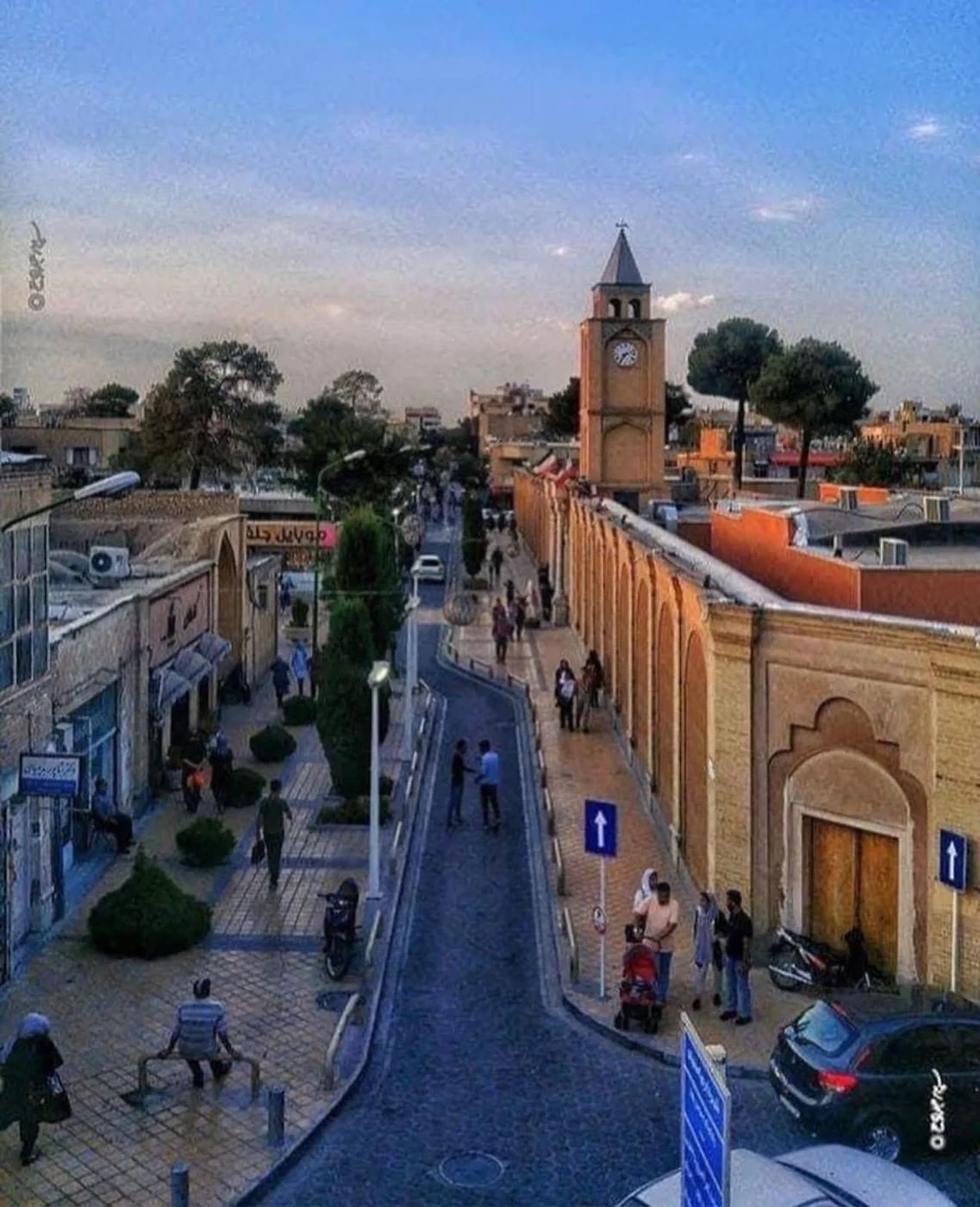
The Armenians of Iran, from Tabriz and New Julfa to Tehran: churches, merchant families and community life.

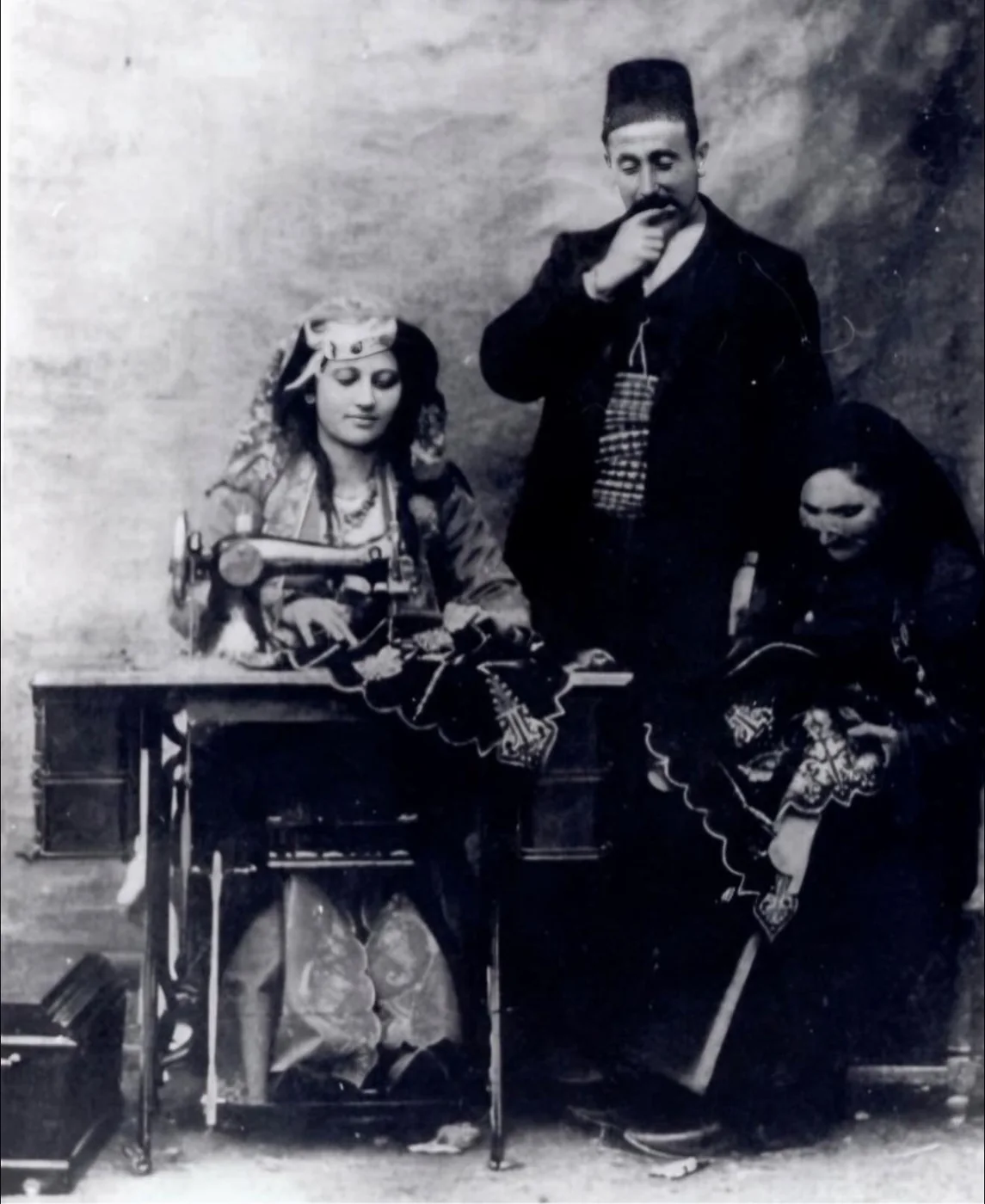
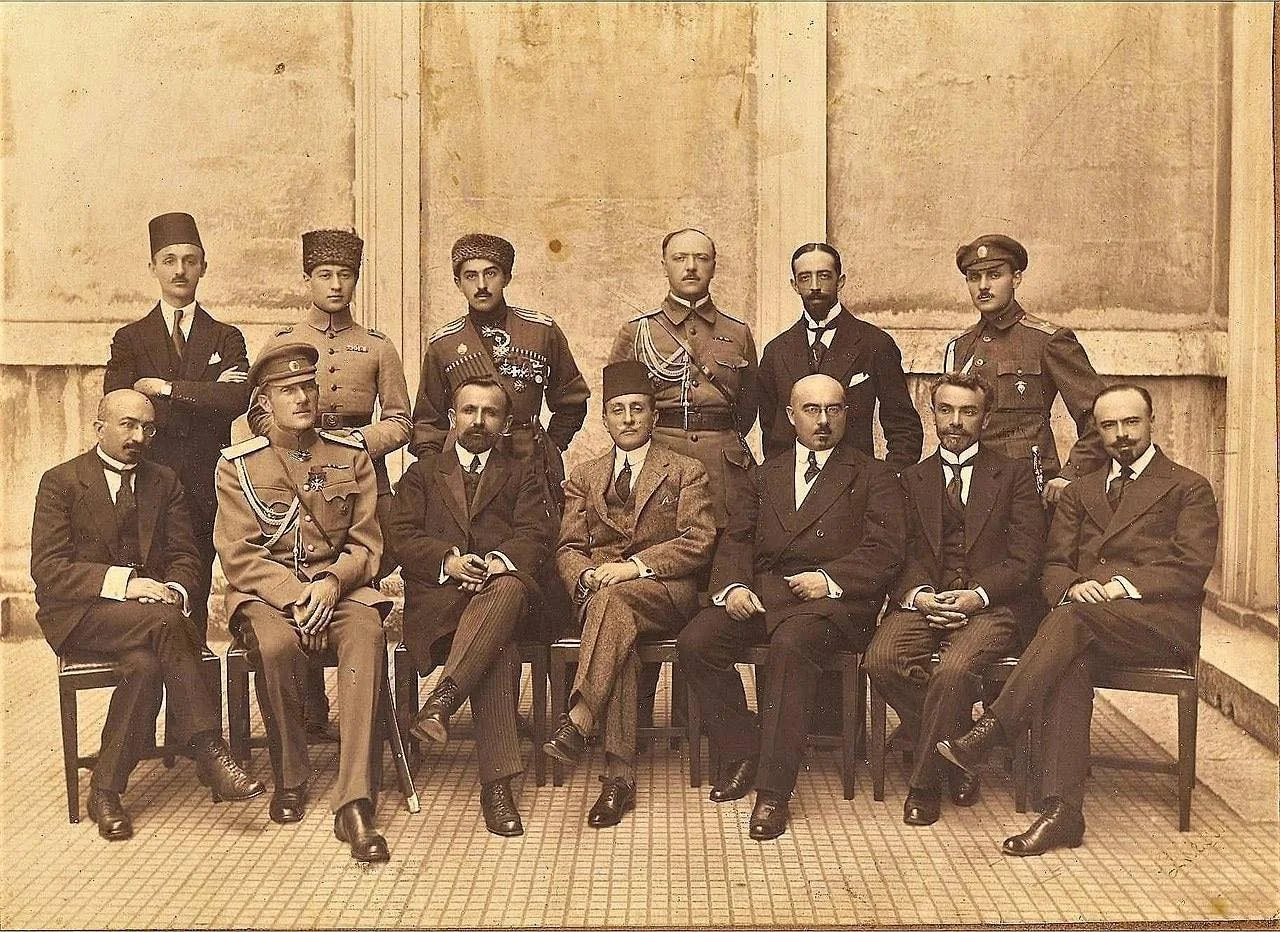
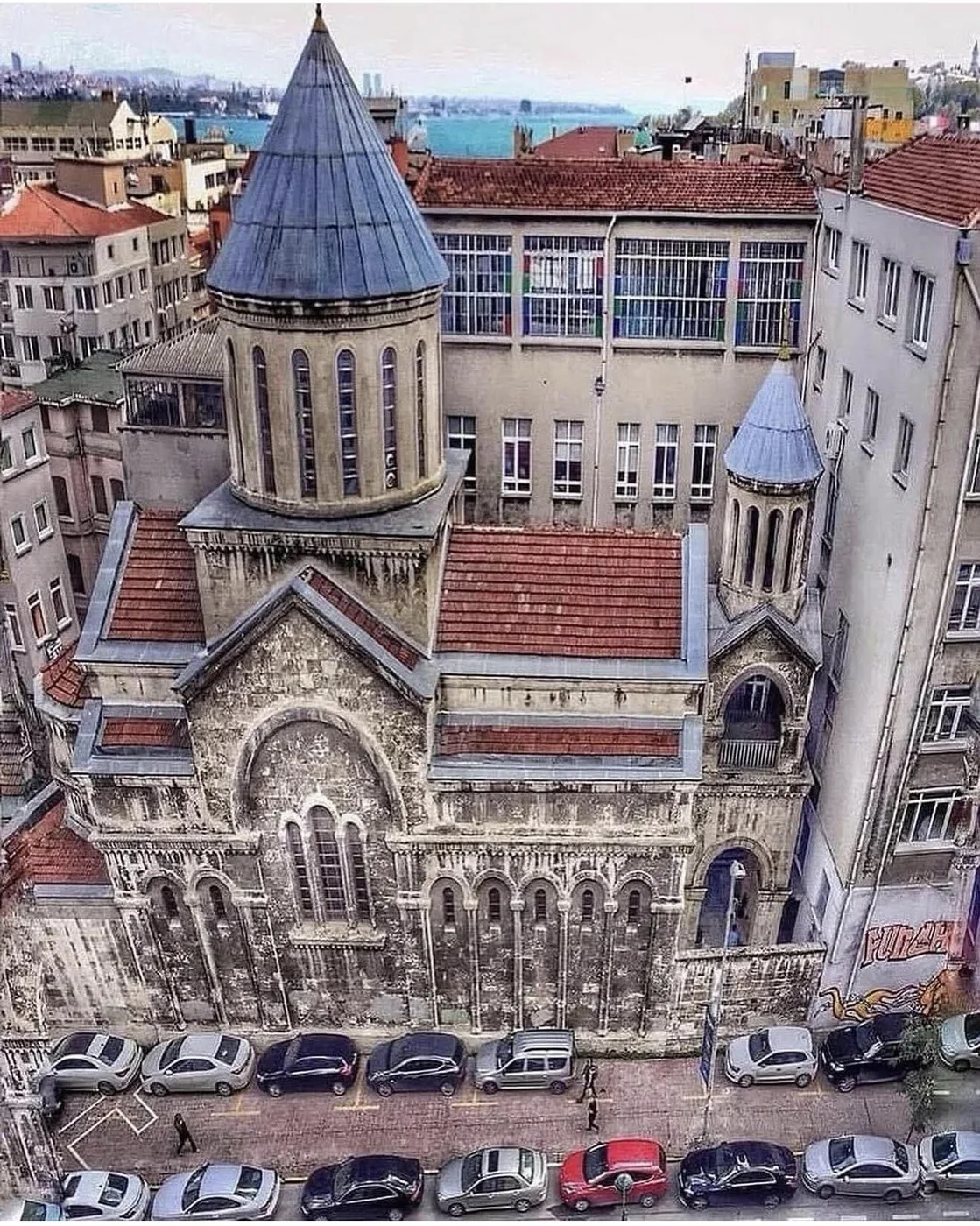
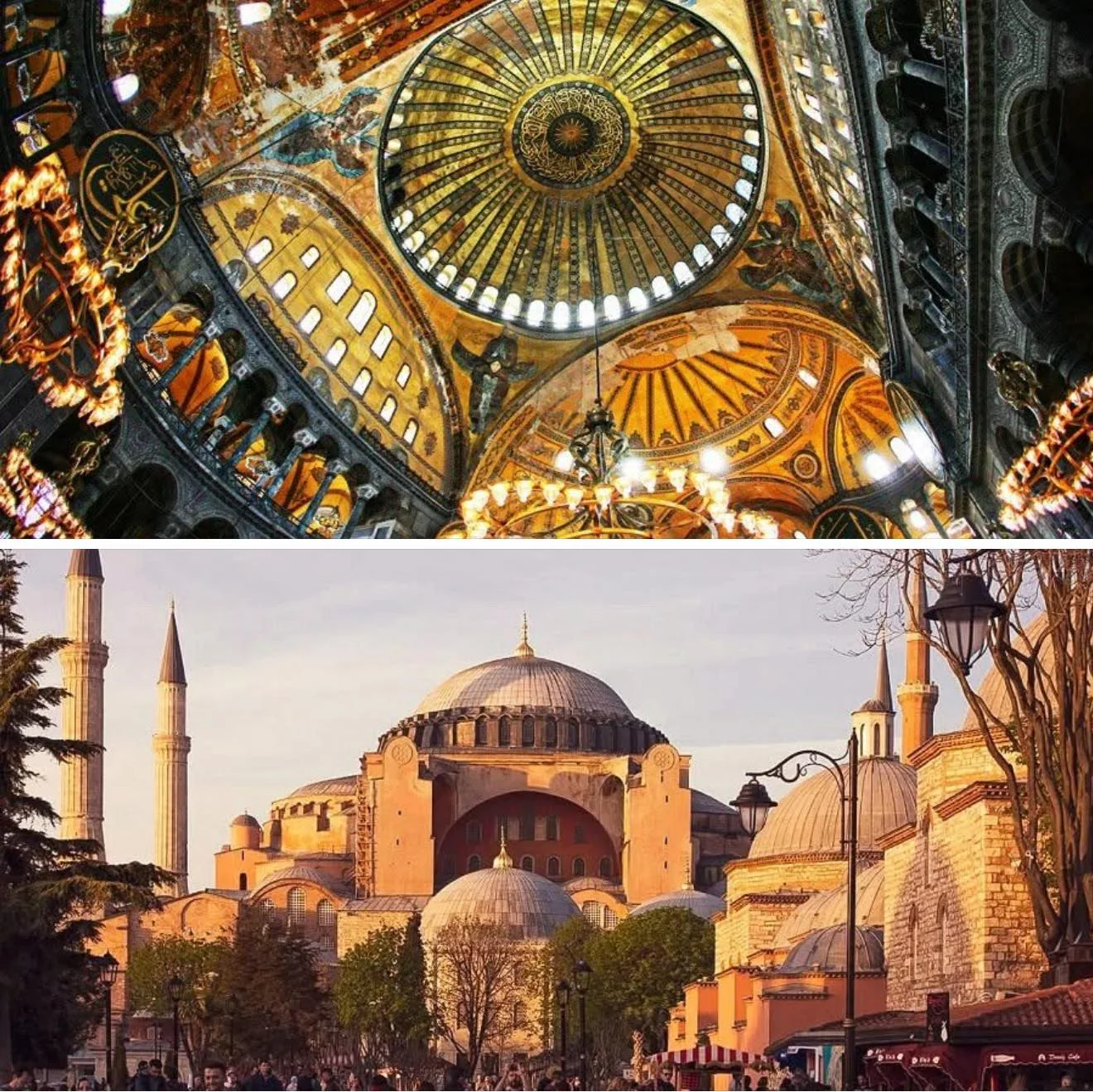
The capital of the Ottoman Empire, home for centuries to a large Armenian community with its churches, schools, newspapers and theatres.

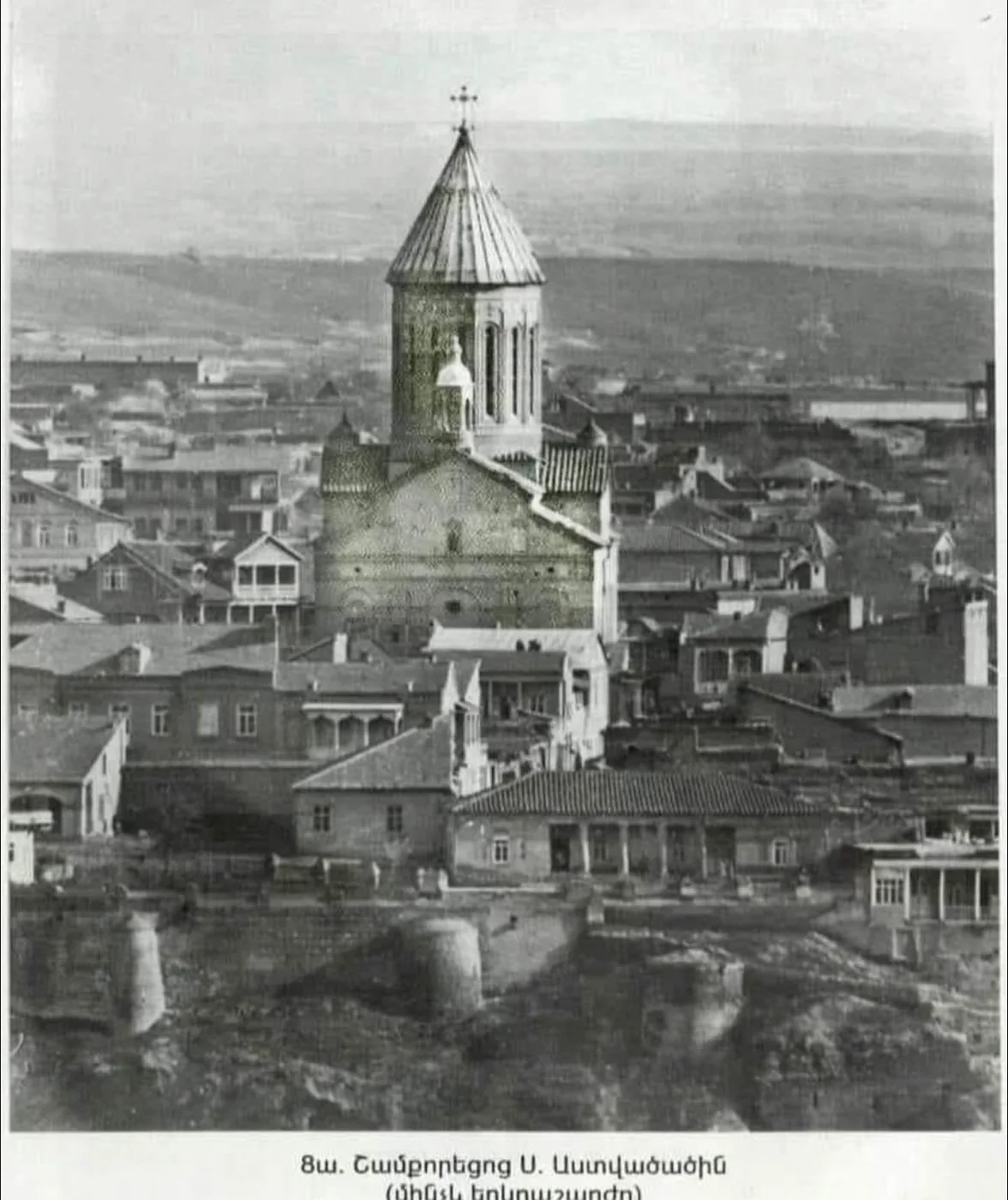
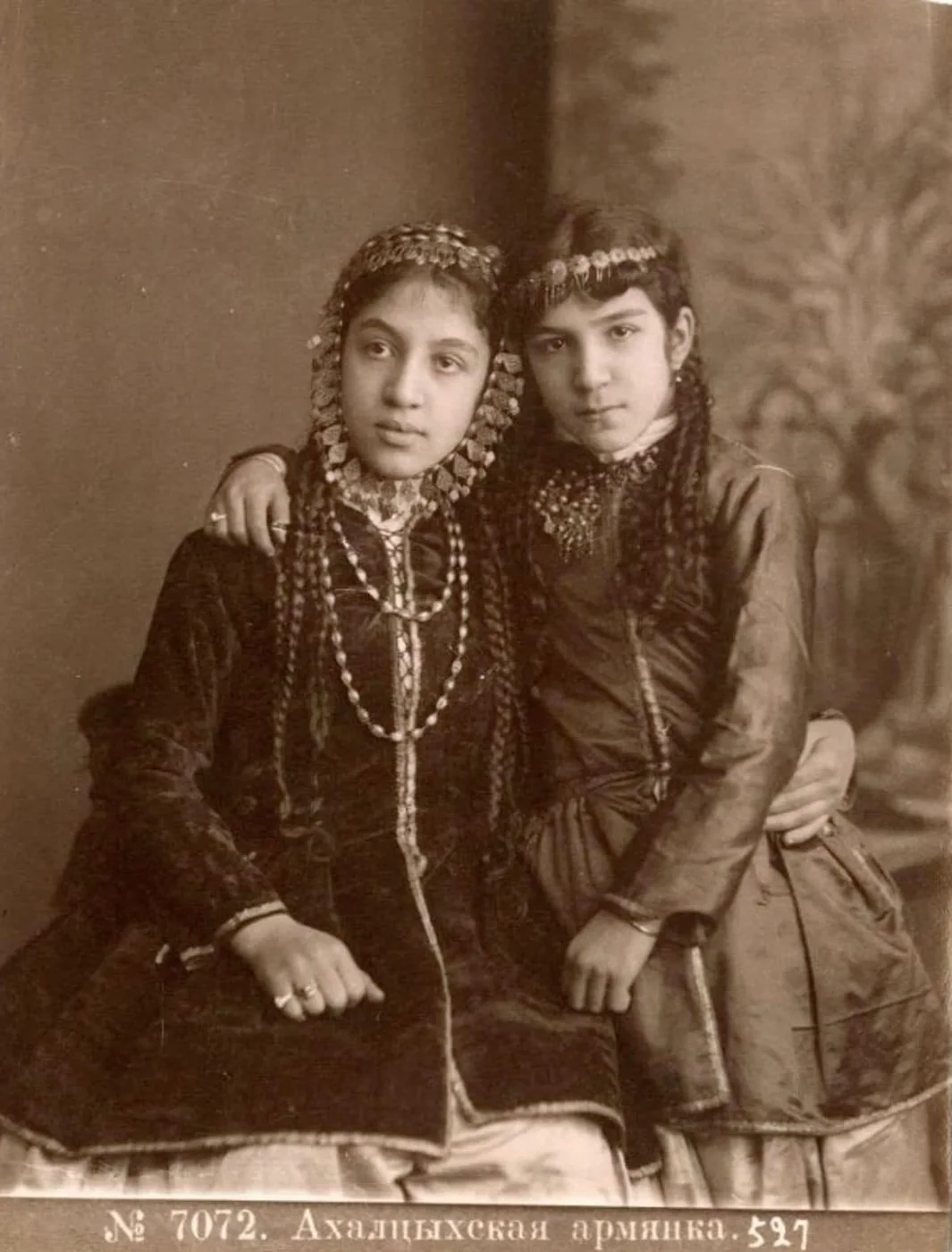
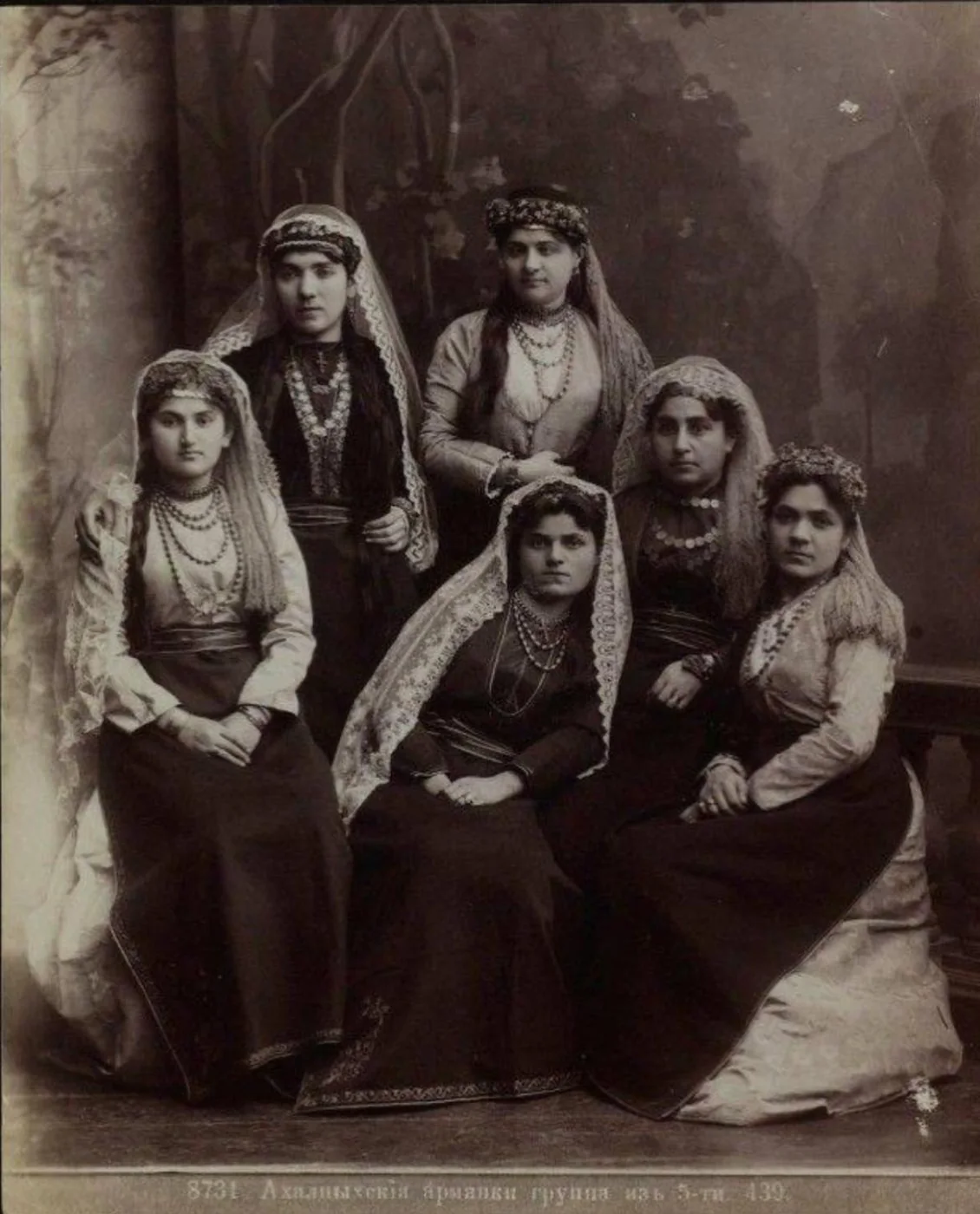
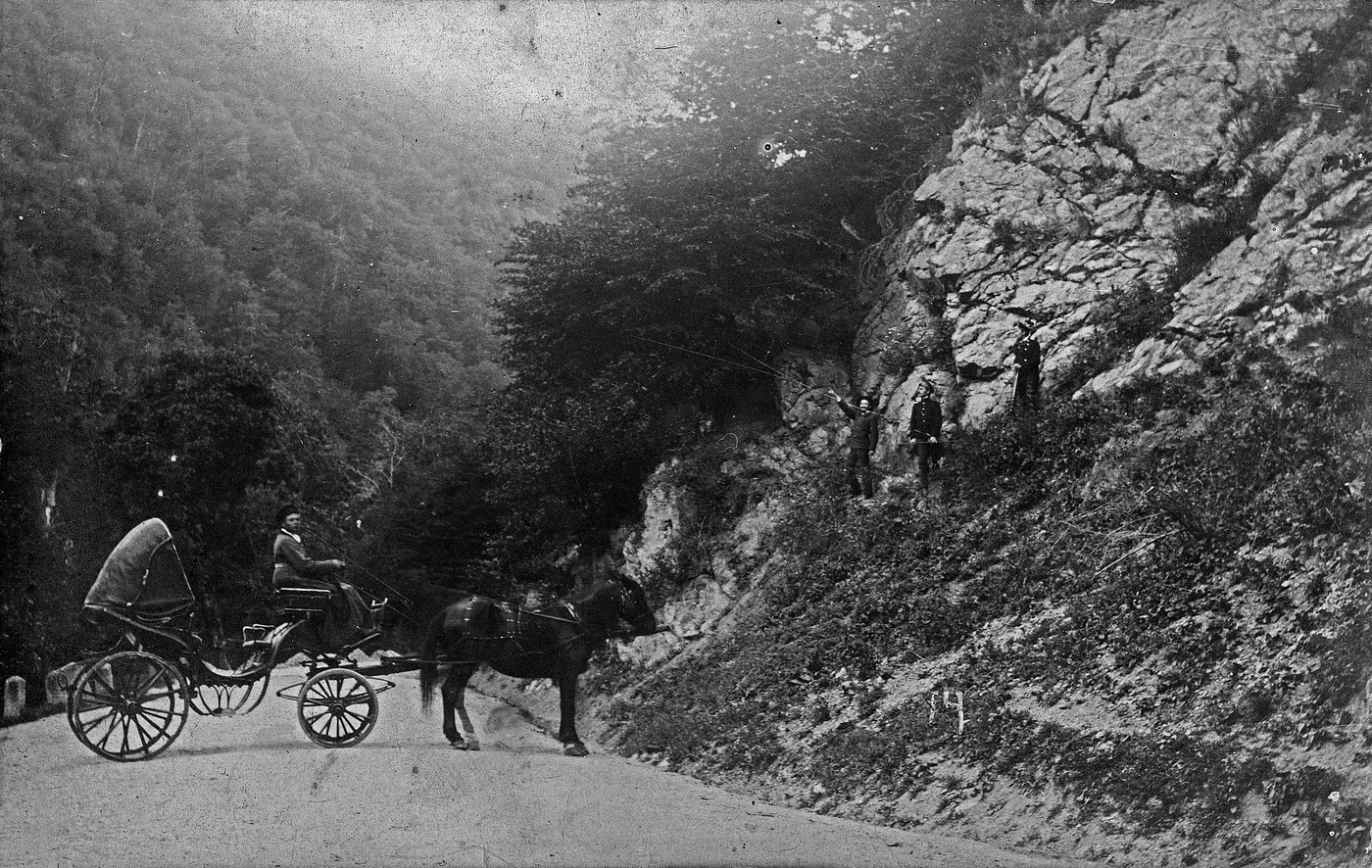
For centuries Tiflis was an important centre of Armenian culture, trade and printing. Also Akhaltsikhe, Javakhk and the Armenian communities of Georgia.

A mountain land of ancient monasteries and khachkars: Gandzasar, Shushi, Amaras and the life of Armenian villages.