

History
Armenian history from ancient times to the present day
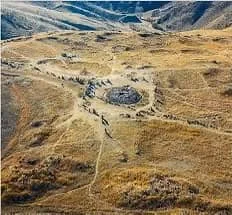 6000–900 BCThe Ancient Armenian HighlandsThe Armenian Highlands are an elevated region of Western Asia lying between the Black, Caspian and Mediterranean seas. The Euphrates, the Tigris, the Araxes and the Kura…
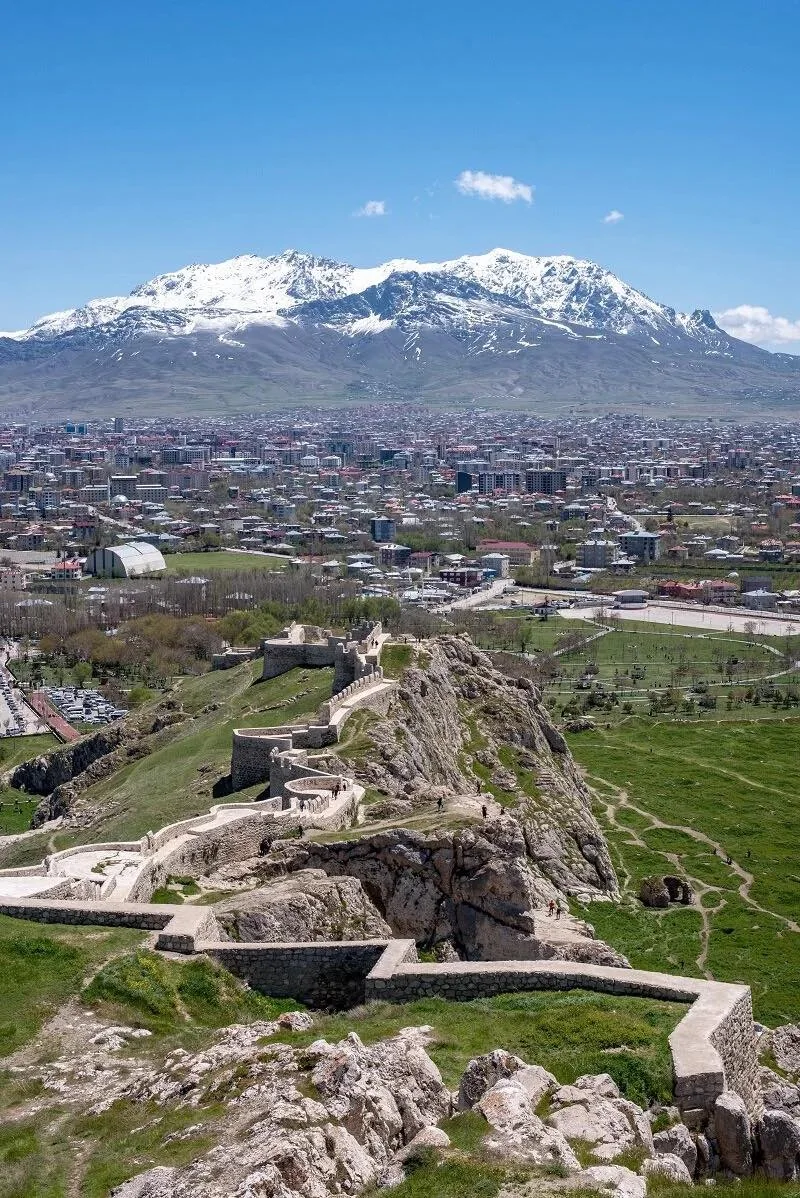 860–590 BCThe Kingdom of Van (Urartu)In the middle of the 9th century BC a state took shape in the basin of Lake Van that for about three centuries was the leading power on the Armenian Highlands. Assyrian…
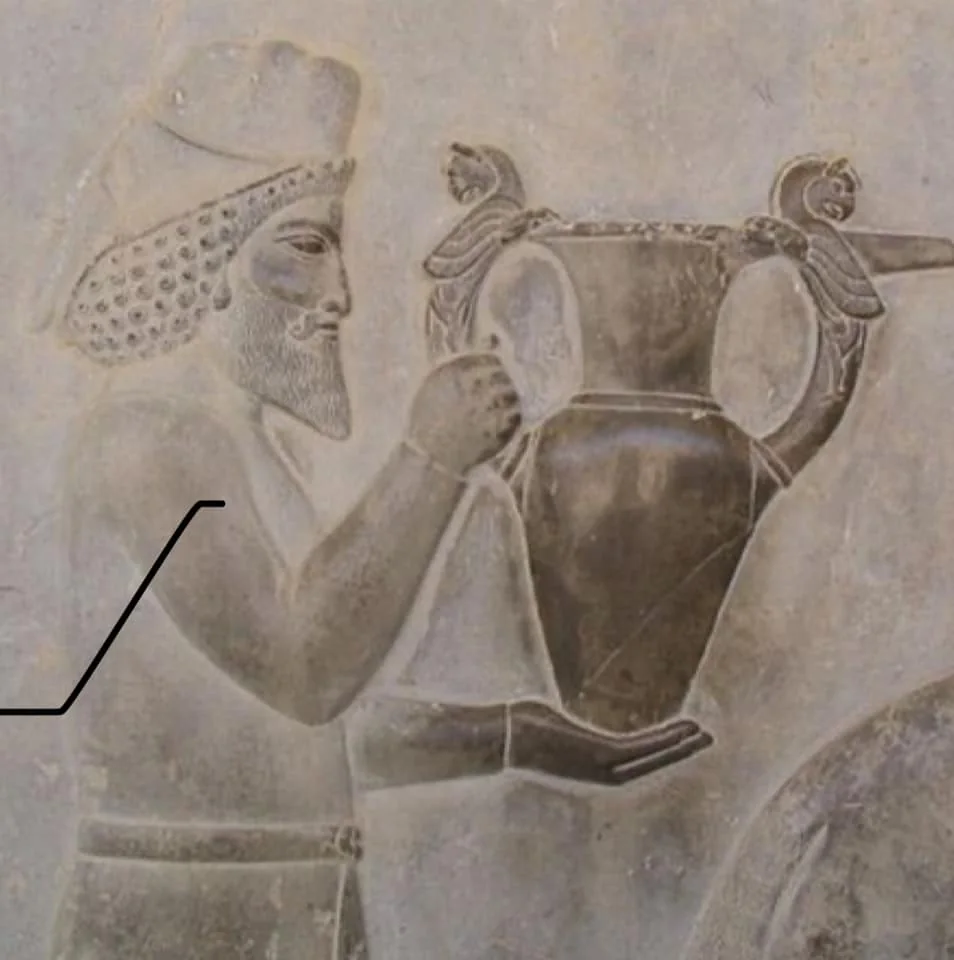 590–200 BCThe Orontids (Yervandunis)After the fall of the Kingdom of Van, at the beginning of the 6th century BC, the Armenian Highlands passed under the domination of Media and, from the 550s BC, of…
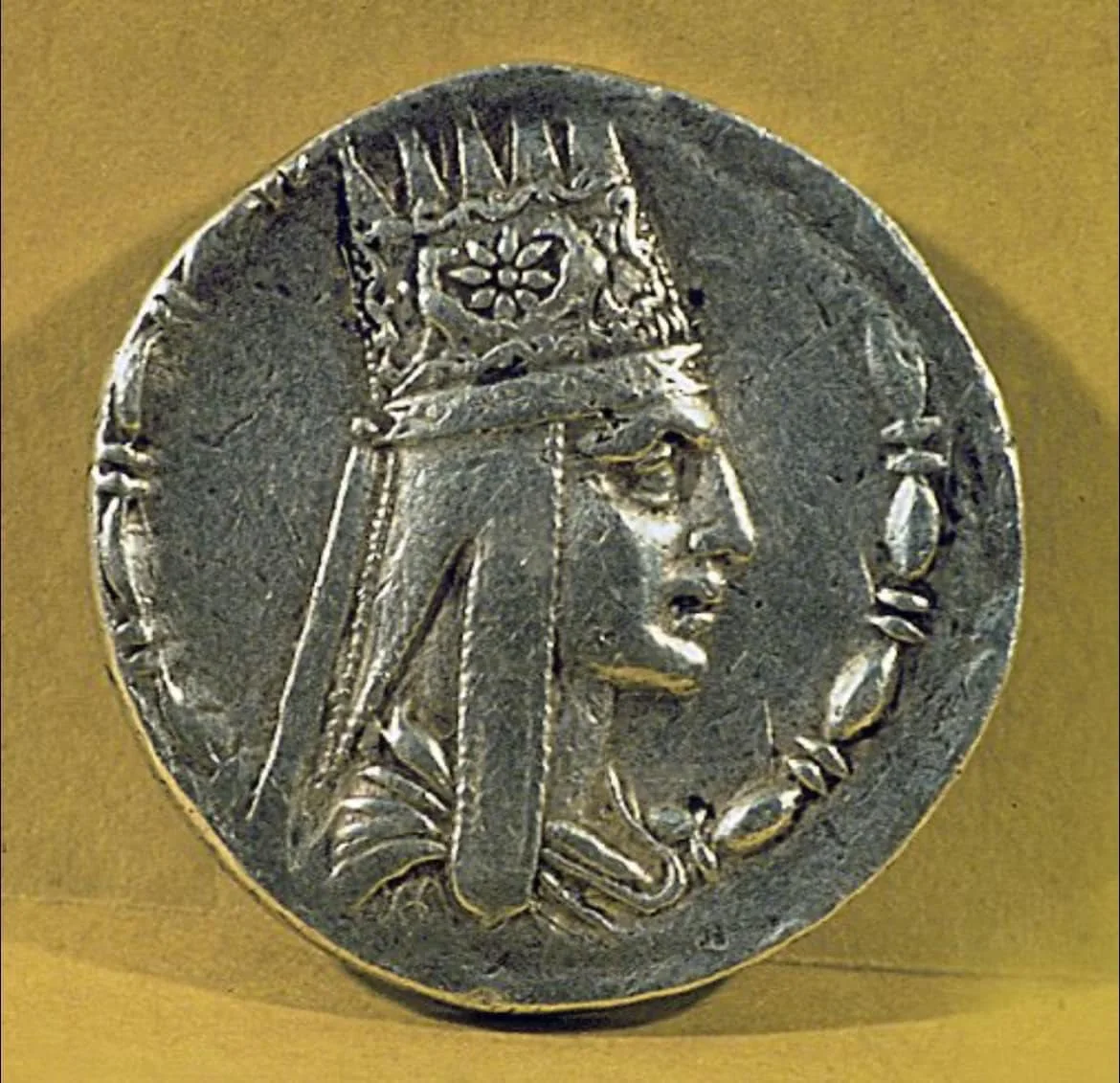 189 BC – AD 1The Artaxiads and Tigran the GreatIn 190 BC Rome crushed the Seleucid king Antiochus III at the battle of Magnesia. Taking advantage of the Seleucids’ weakness, Artashes, governor of Greater Armenia, and…
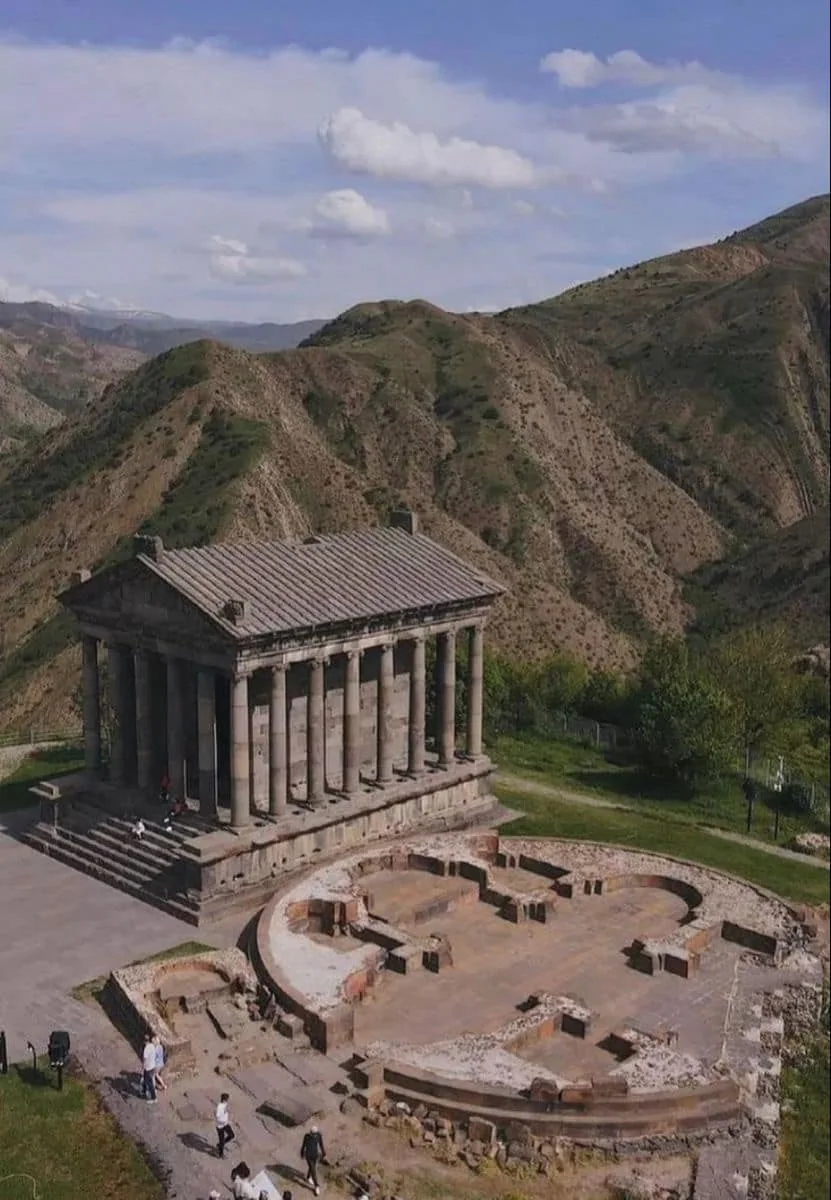 52–428The Arsacids and the Adoption of ChristianityAfter the fall of the Artaxiads, Armenia remained for several decades the main arena of rivalry between Rome and Parthia. Around 52 AD the Parthian king Vologases I…
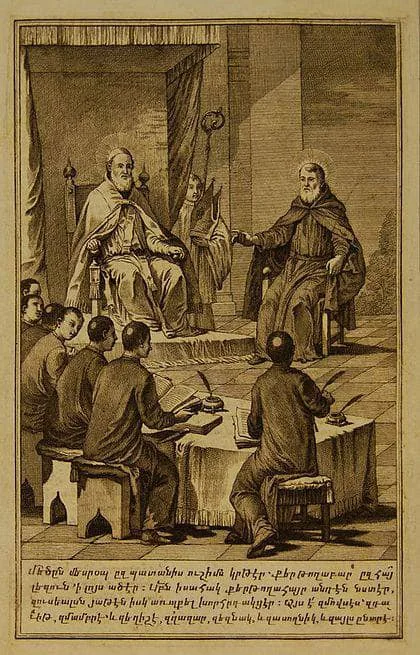 405–500The Invention of the Alphabet and the Golden AgeAt the end of the 4th century Armenia was a Christian country, but it had no writing of its own. Church services were held in Greek and Syriac, and state records were…
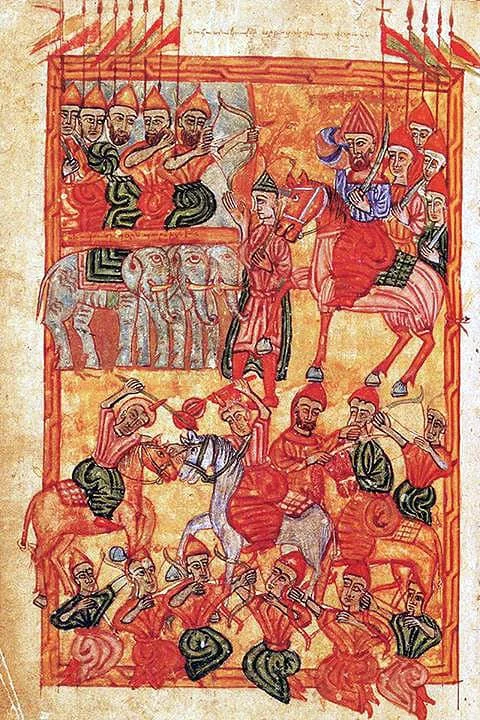 428–640Avarayr and the MarzpanateIn 428 a group of Armenian nakharars (noble lords) asked the Persian king Bahram V to depose Artashes, the last Arsacid king of Armenia. The Sasanian court seized the…
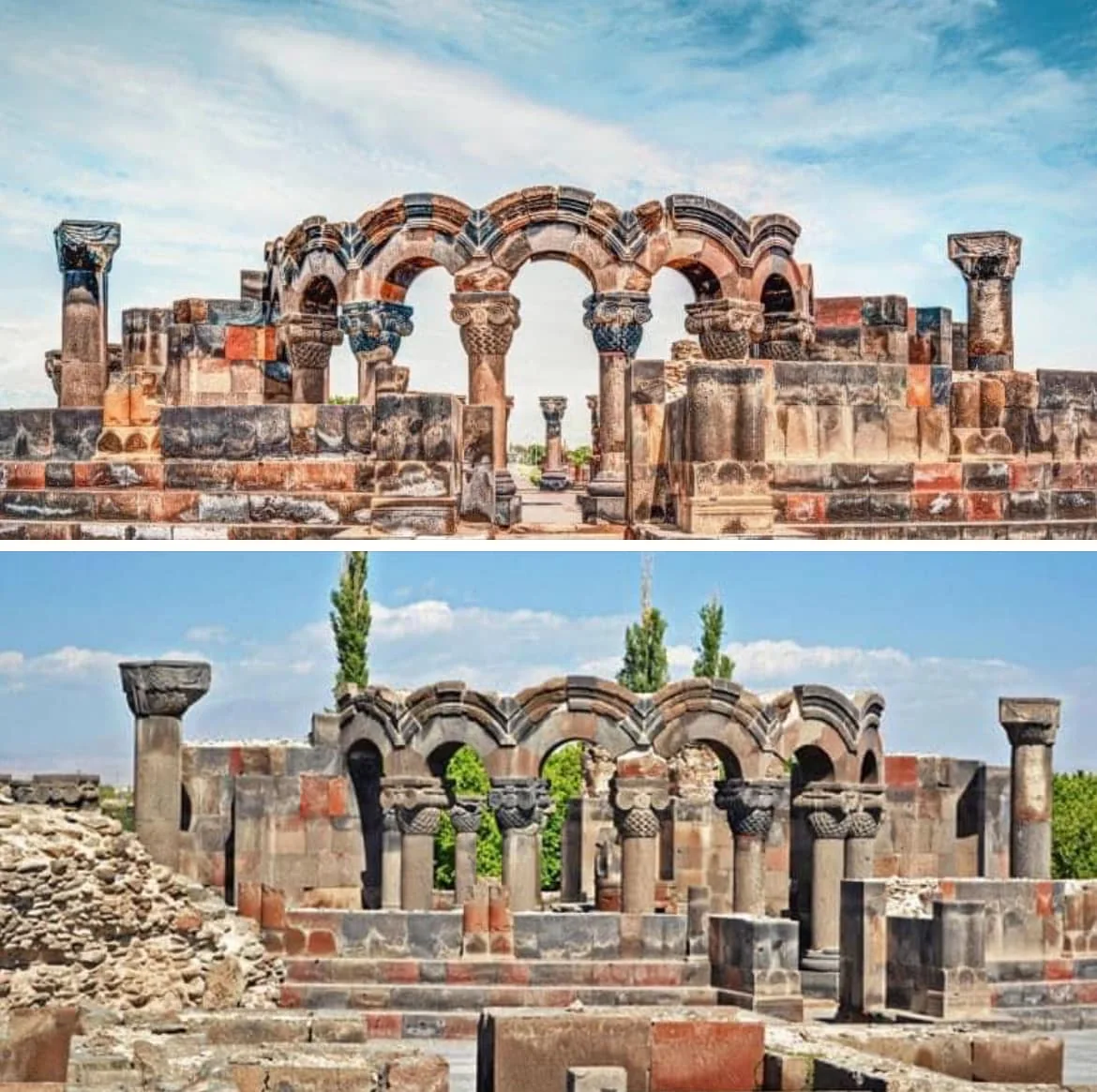 640–885Under Arab RuleIn the mid-7th century the Arab Caliphate swiftly conquered Sasanian Persia and most of Byzantium's eastern provinces. The first Arab campaign into Armenia is…
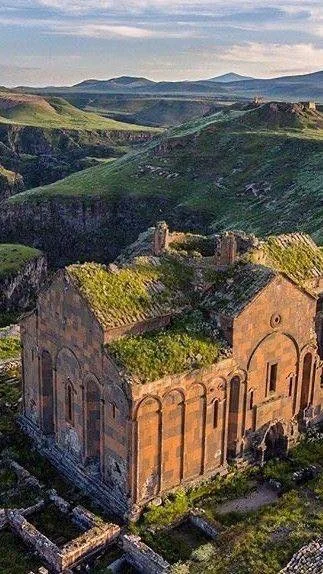 885–1045The Bagratid Kingdom and AniIn 885 Ashot Bagratuni was crowned King of Armenia, and royal power was restored in Armenia after four and a half centuries. His crown was recognised both by the Abbasid…
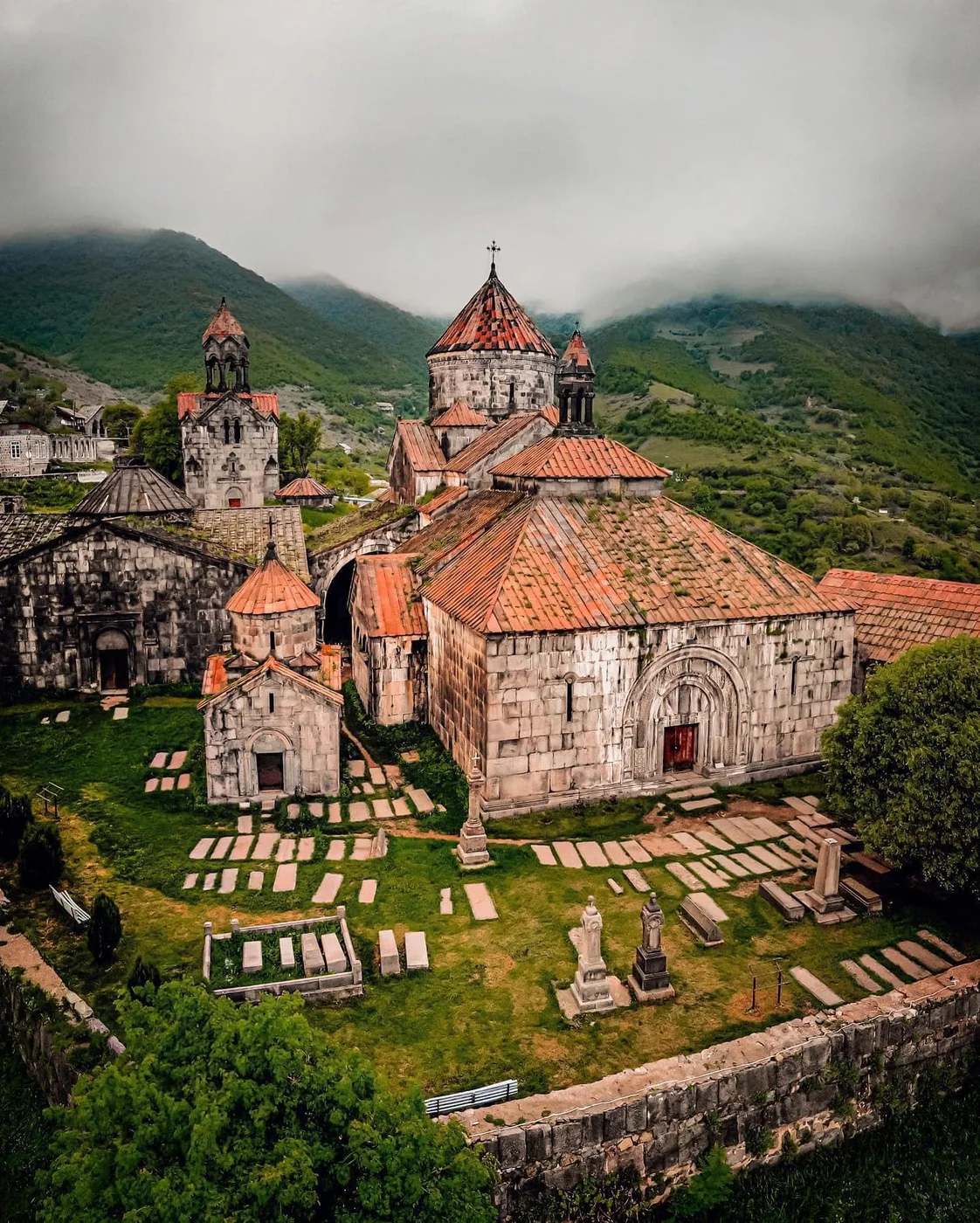 1045–1236The Seljuks and the Zakarian PrincesIn the mid-11th century the Seljuk Turks moved westwards from Central Asia and quickly took possession of Iran and Mesopotamia. Their first raids into Armenia began as…
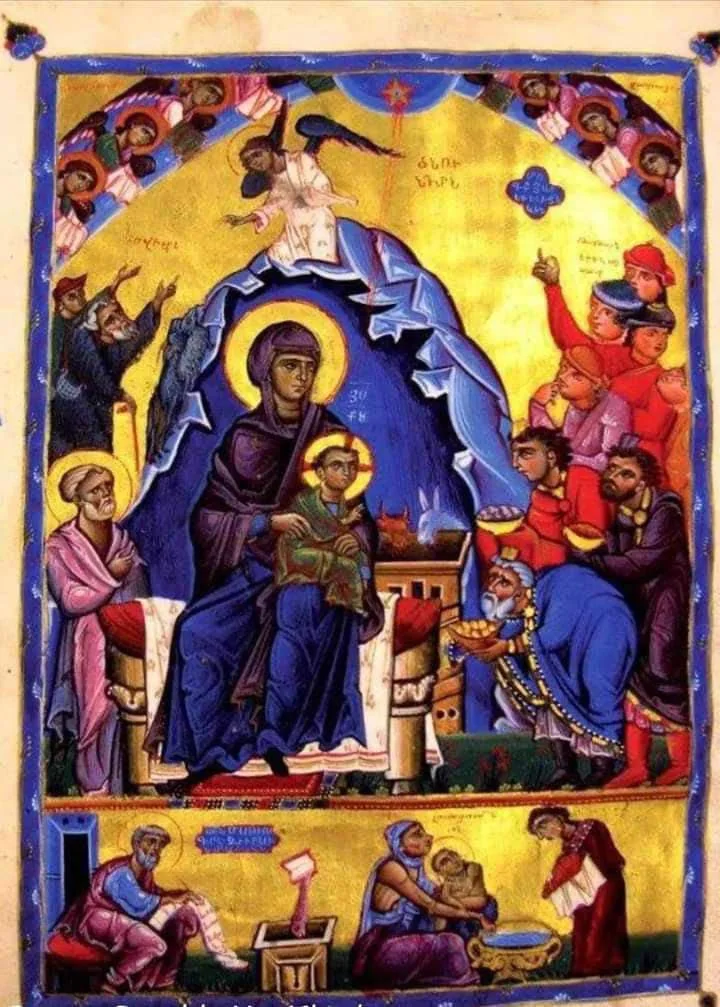 1080–1375The Armenian State of CiliciaAfter the Seljuk invasions Armenian princes and the people who migrated with them settled on the north-eastern coast of the Mediterranean, in Cilicia and the…
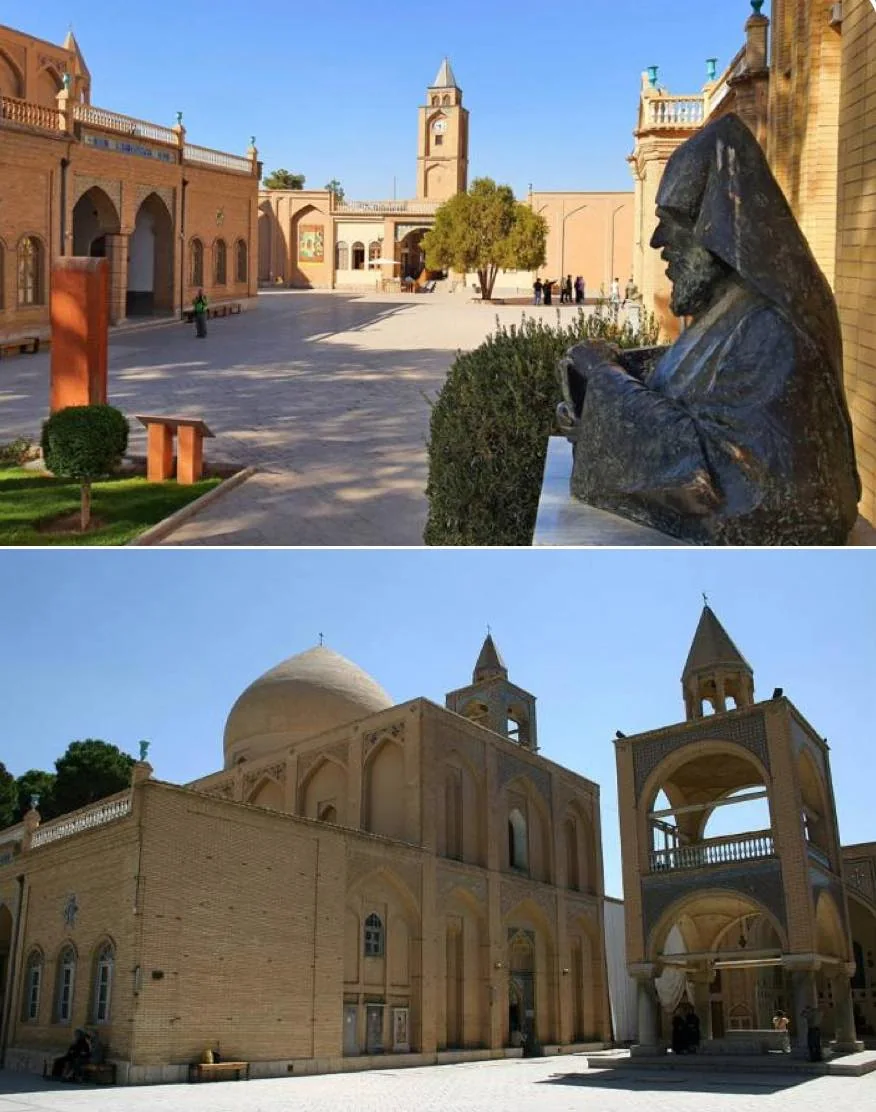 1375–1700From the Mongols to the Ottoman–Persian PartitionFrom 1236 Armenia was under Mongol rule, and from the mid-13th century it formed part of the Ilkhanate, the Mongol state based in Iran. The Mongols demanded submission,…
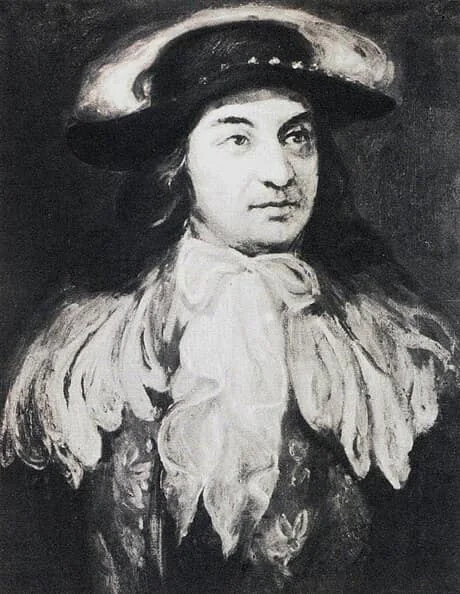 1678–1800Hopes of Liberation: Davit Bek and the Meliks of ArtsakhAt the end of the 17th century Armenia was divided between the Ottoman Empire and Safavid Persia, and no Armenian state existed. Local princely houses had nevertheless…
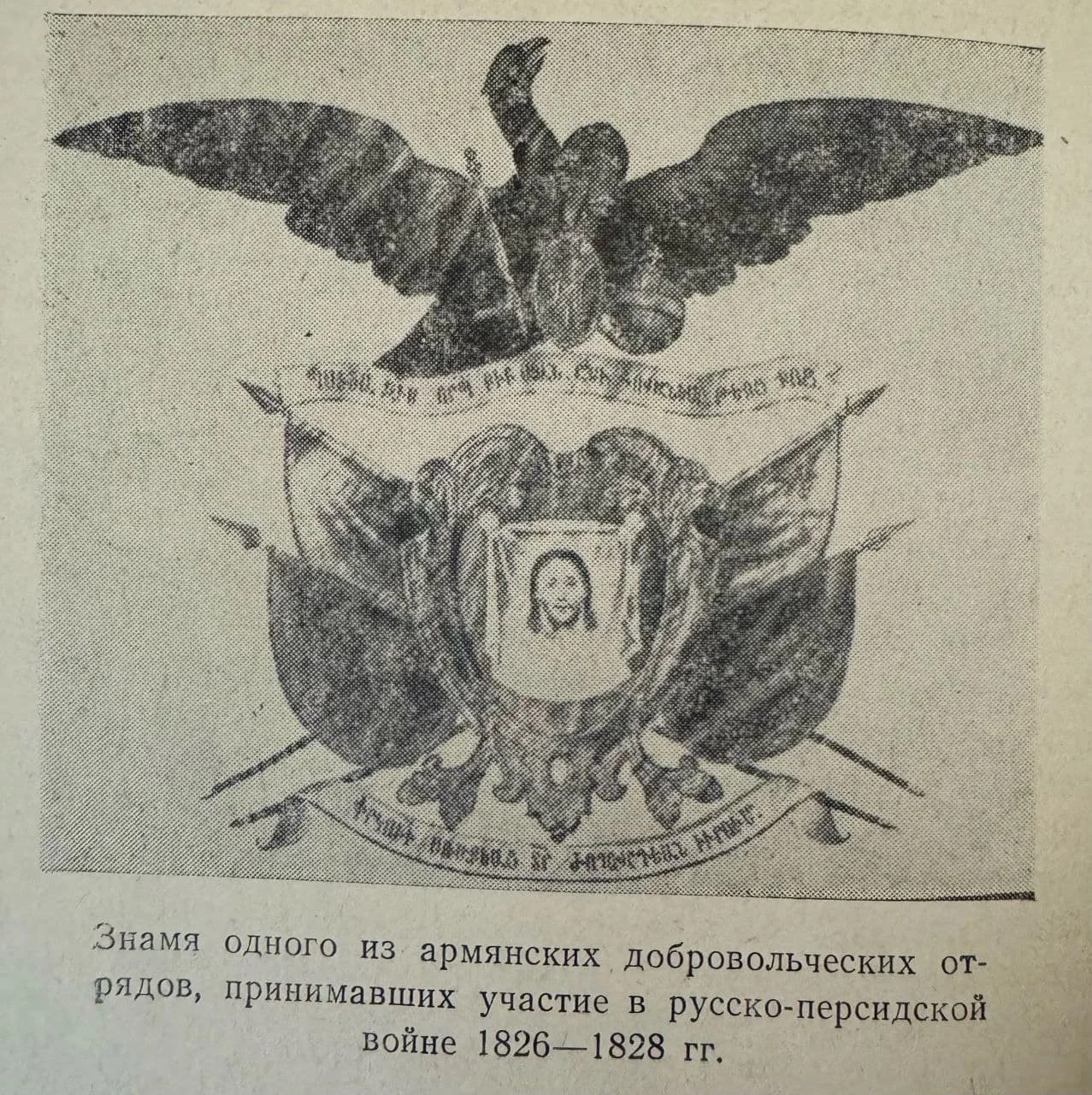 1801–1914Eastern Armenia in the Russian EmpireAt the beginning of the 19th century the Russian Empire established itself in the South Caucasus. In 1801 Eastern Georgia was annexed to Russia, and Tiflis (Tbilisi)…
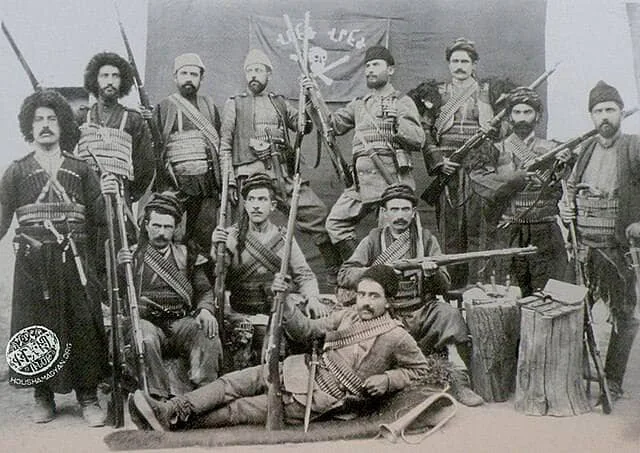 1878–1914The Armenian Question and the Massacres of 1894–1896 and 1909In the 19th century Western Armenia and Cilicia were part of the Ottoman Empire. Armenians lived both in the eastern provinces — in Van, Karin (Erzurum), Mush, Baghesh…
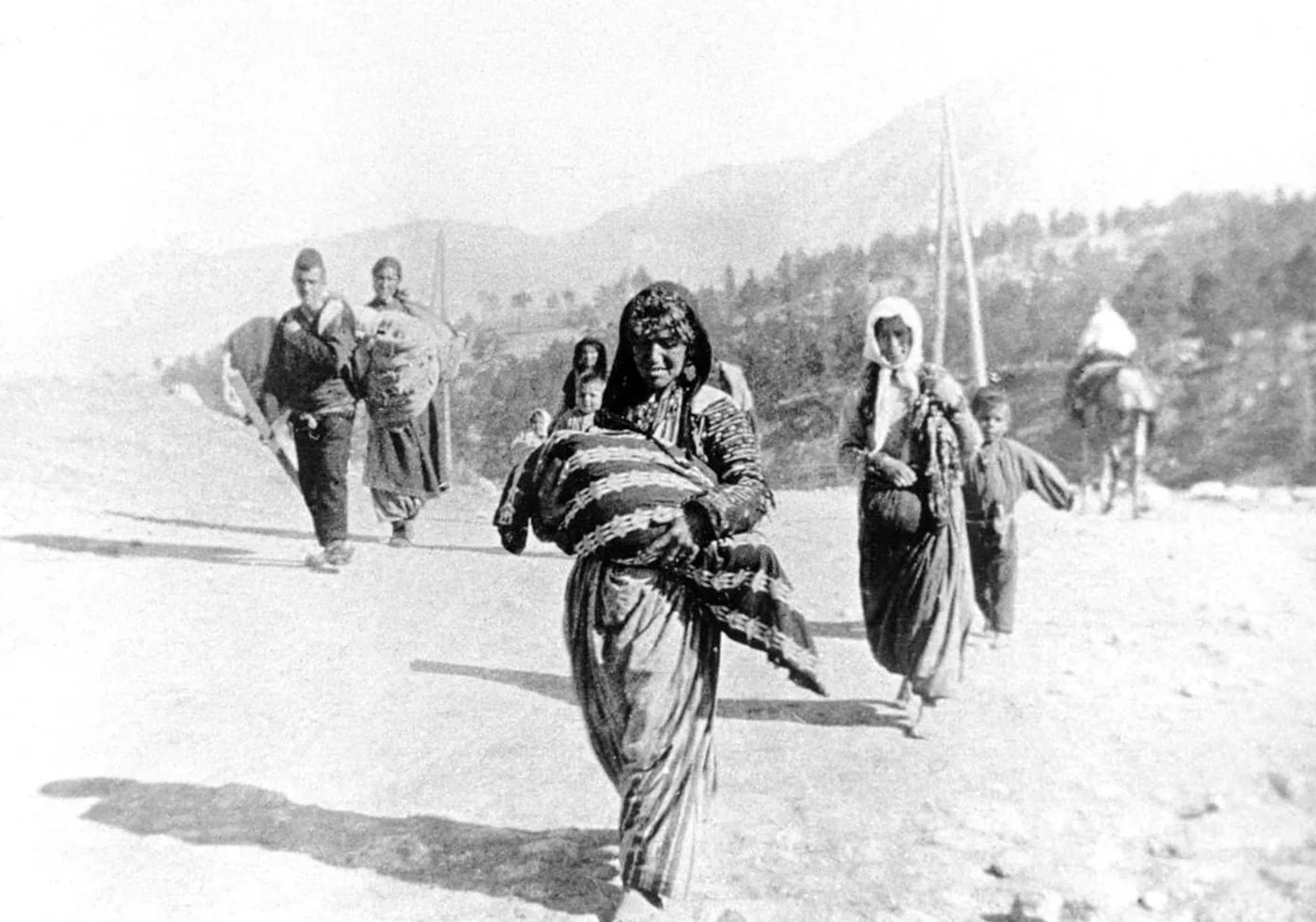 1915–1923The Armenian GenocideIn November 1914 the Ottoman Empire entered the First World War on Germany’s side. Power was effectively in the hands of the leaders of the Committee of Union and…
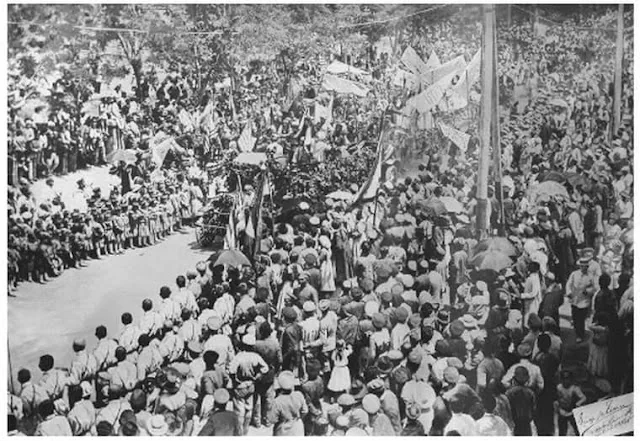 1918–1920The First Republic of ArmeniaAfter the Russian revolutions of 1917 the Caucasian front collapsed, and Russian troops left Western Armenia. The burden of holding the front fell on Armenian volunteer…
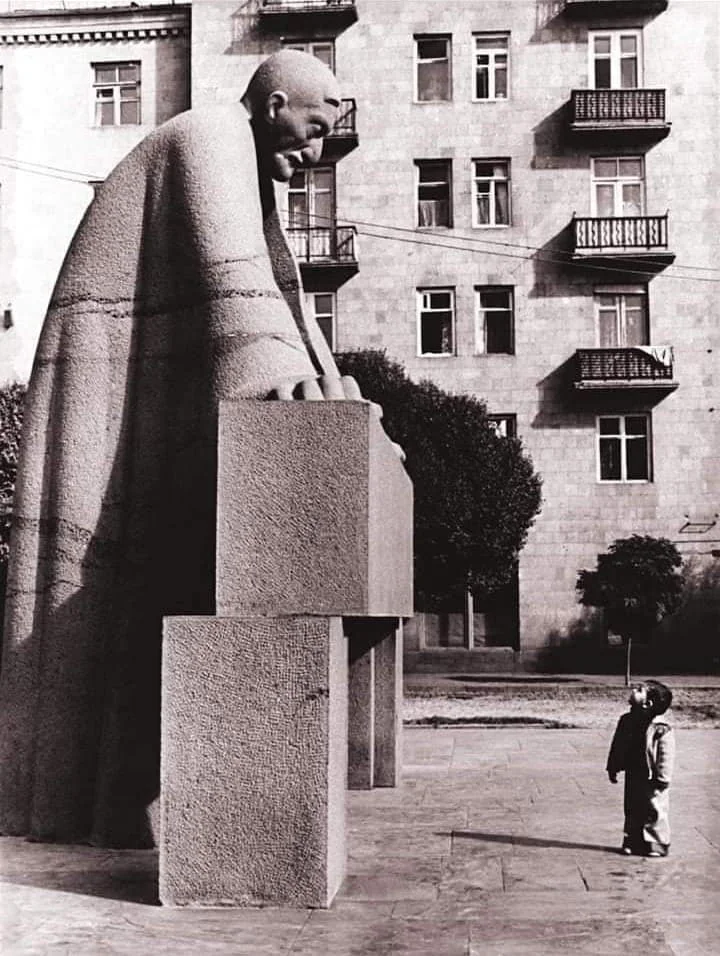 1920–1988Soviet ArmeniaAt the end of November 1920, when the Republic of Armenia was exhausted by the Turkish-Armenian war, Red Army units entered the country from Azerbaijan, and on 2…
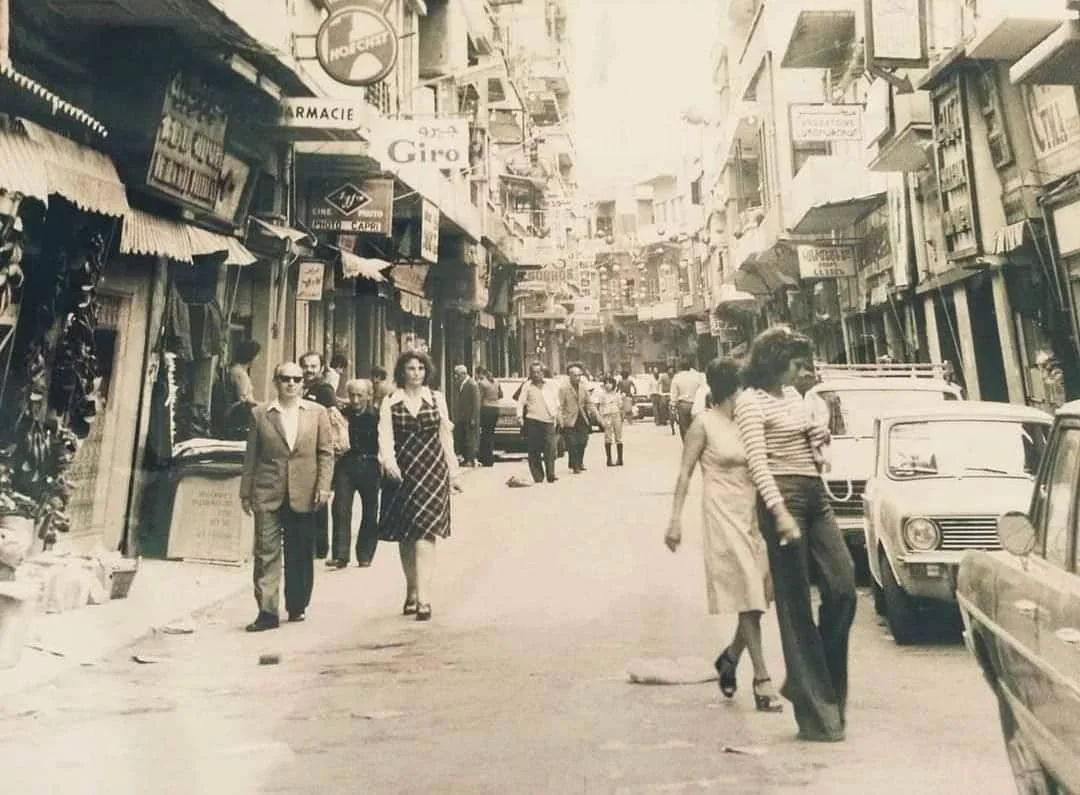 1915–2000The Armenian DiasporaFor centuries Armenians have also lived outside their homeland. In Jerusalem the Armenian presence goes back to early Christian times, and the Armenian Patriarchate and…
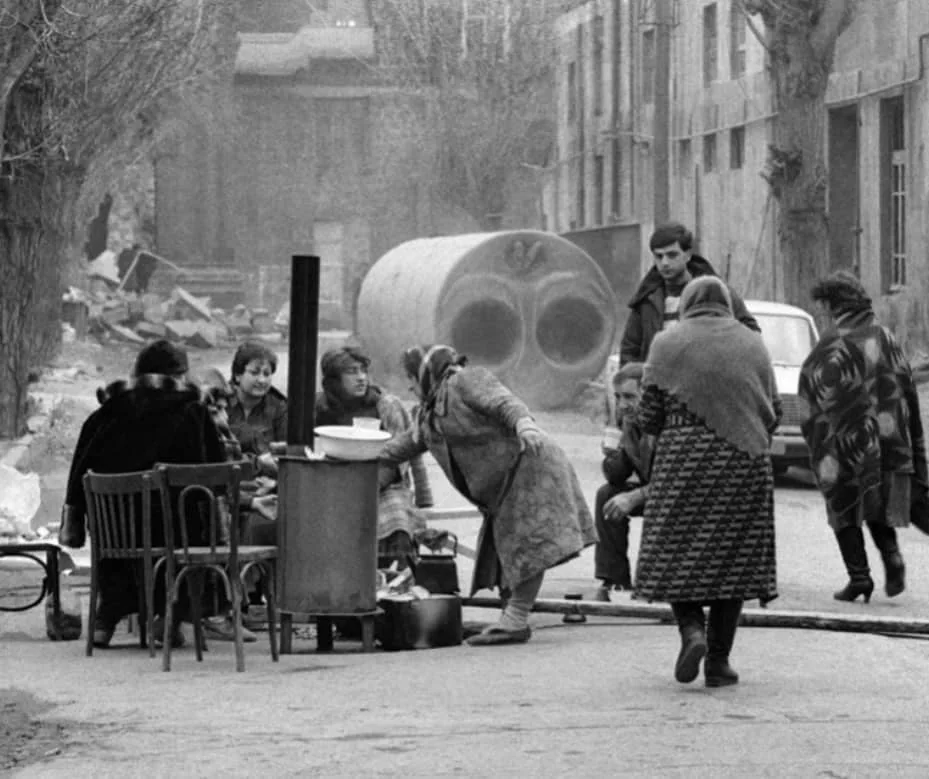 1988–1991The Karabakh Movement and IndependenceIn the mid-1980s Mikhail Gorbachev’s policies of perestroika and glasnost made it possible to speak openly about questions long kept silent. In Armenia these included…
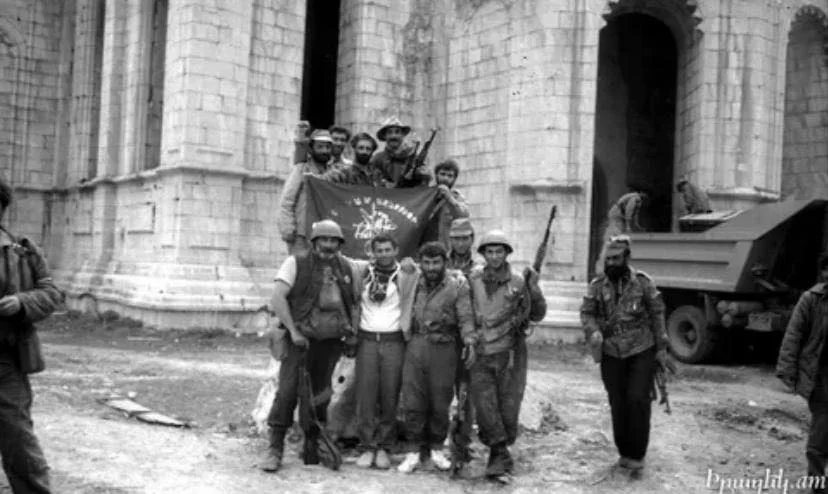 1991–2020The Karabakh War and Independent ArmeniaAfter the collapse of the USSR the conflict over Nagorno-Karabakh turned into open war. In November 1991 Azerbaijan abolished the region’s autonomy, and in December an…
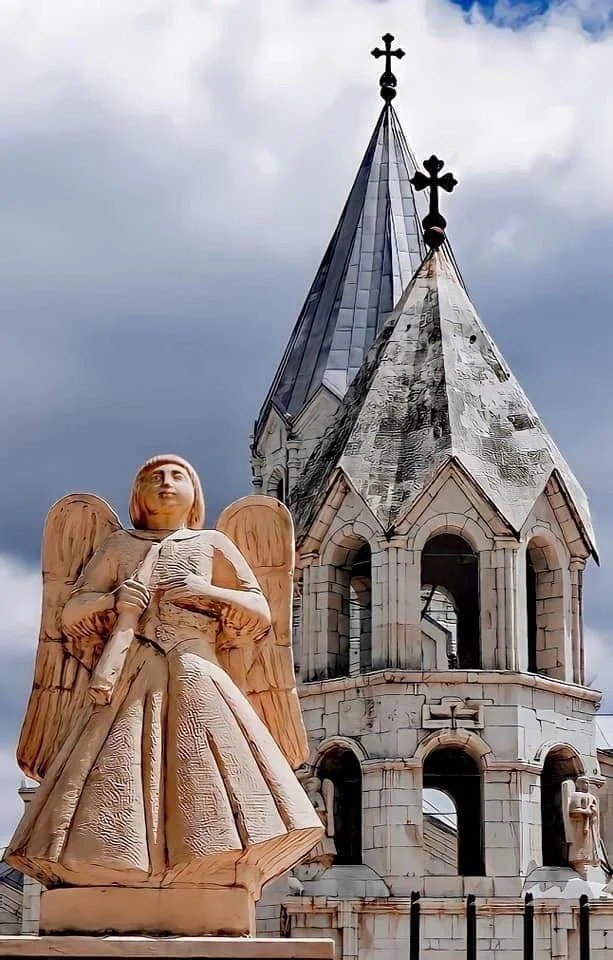 2020–2023The 44-Day War and the Exodus from ArtsakhOn the morning of 27 September 2020 Azerbaijan, with the political and military support of Turkey, launched a large-scale offensive along the entire line of contact in…