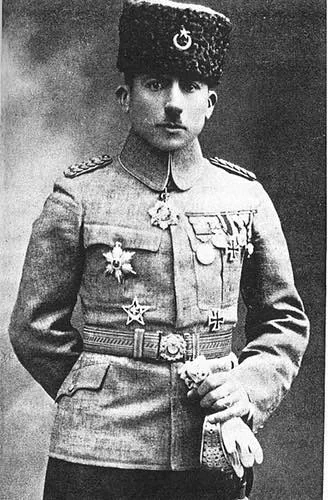


In November 1914 the Ottoman Empire entered the First World War on Germany’s side. Power was effectively in the hands of the leaders of the Committee of Union and Progress — Talaat, Enver and Djemal. After the Ottoman army’s defeat at Sarikamish in the winter of 1914–1915, Armenians were accused of collaborating with the enemy. Armenian soldiers serving in the Ottoman army were disarmed and sent to labour battalions, where many of them were killed.
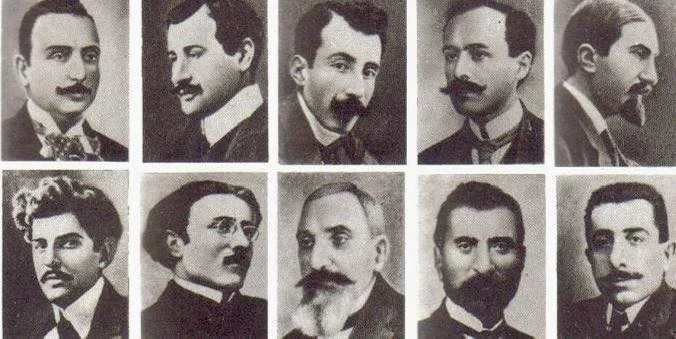
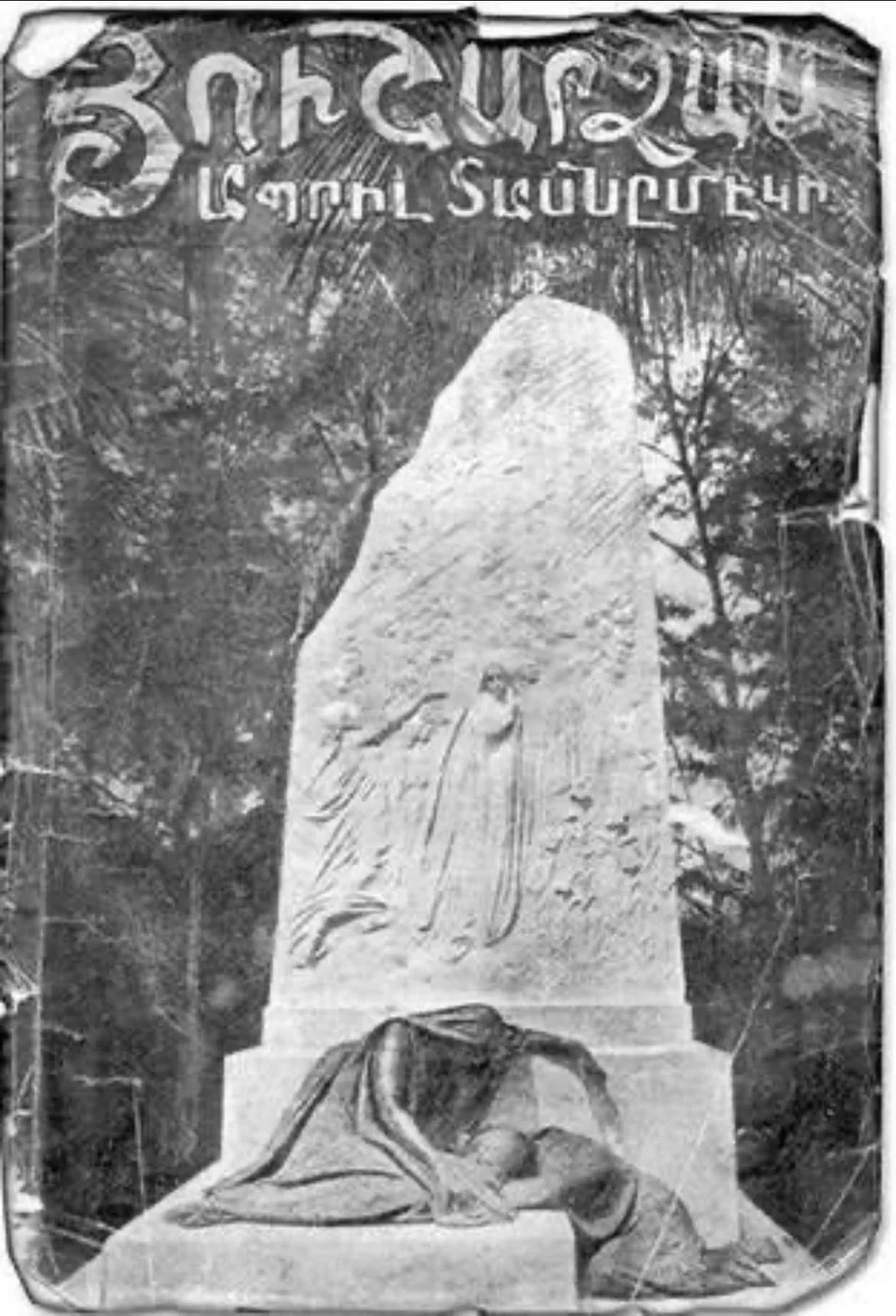
On the night of 24 April 1915, Armenian intellectuals, clergy, political figures and other community representatives were arrested in Constantinople (Istanbul) — at first several hundred people. Most of them were deported to the interior of Anatolia and killed. Among the dead were the writers Grigor Zohrap, Daniel Varujan, Siamanto and Ruben Sevak. Komitas survived deportation but never recovered from the shock he had suffered. Today 24 April is the day of remembrance of the victims of the Armenian Genocide.
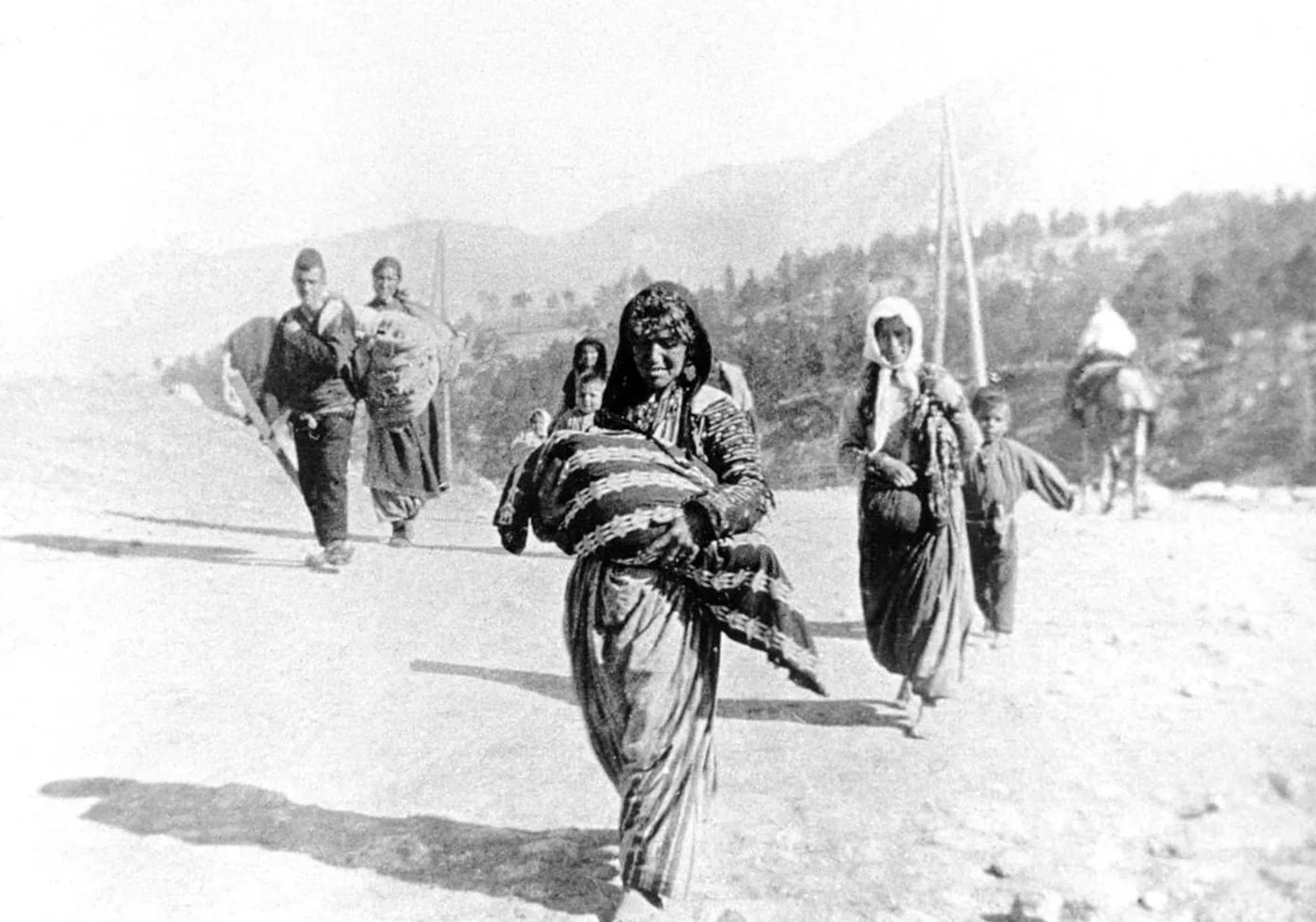
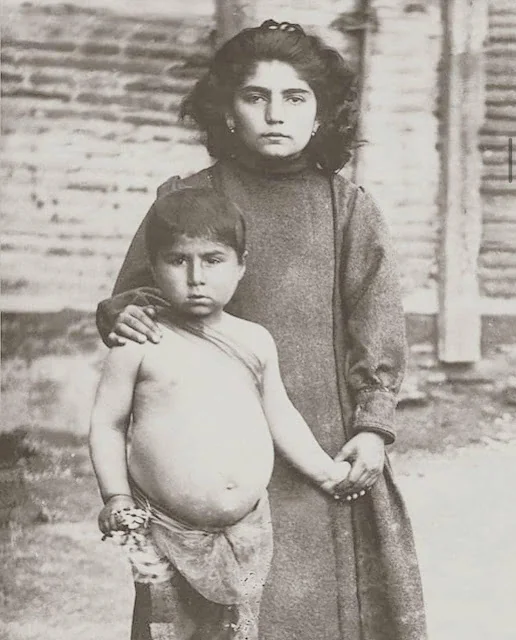
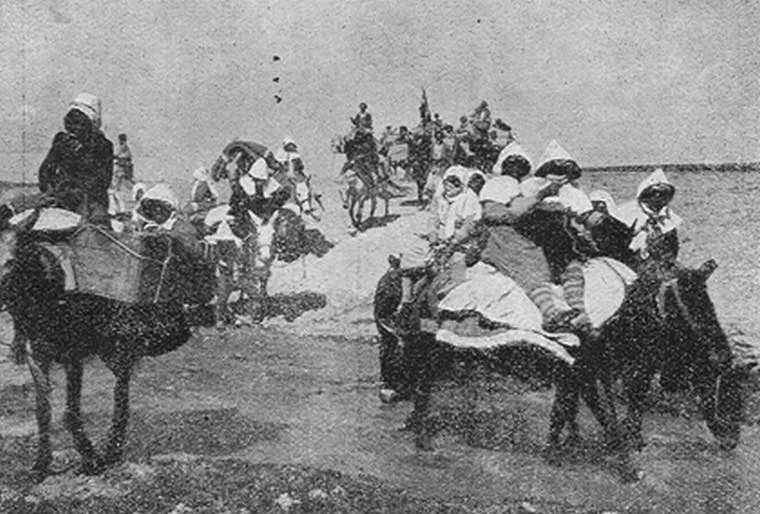
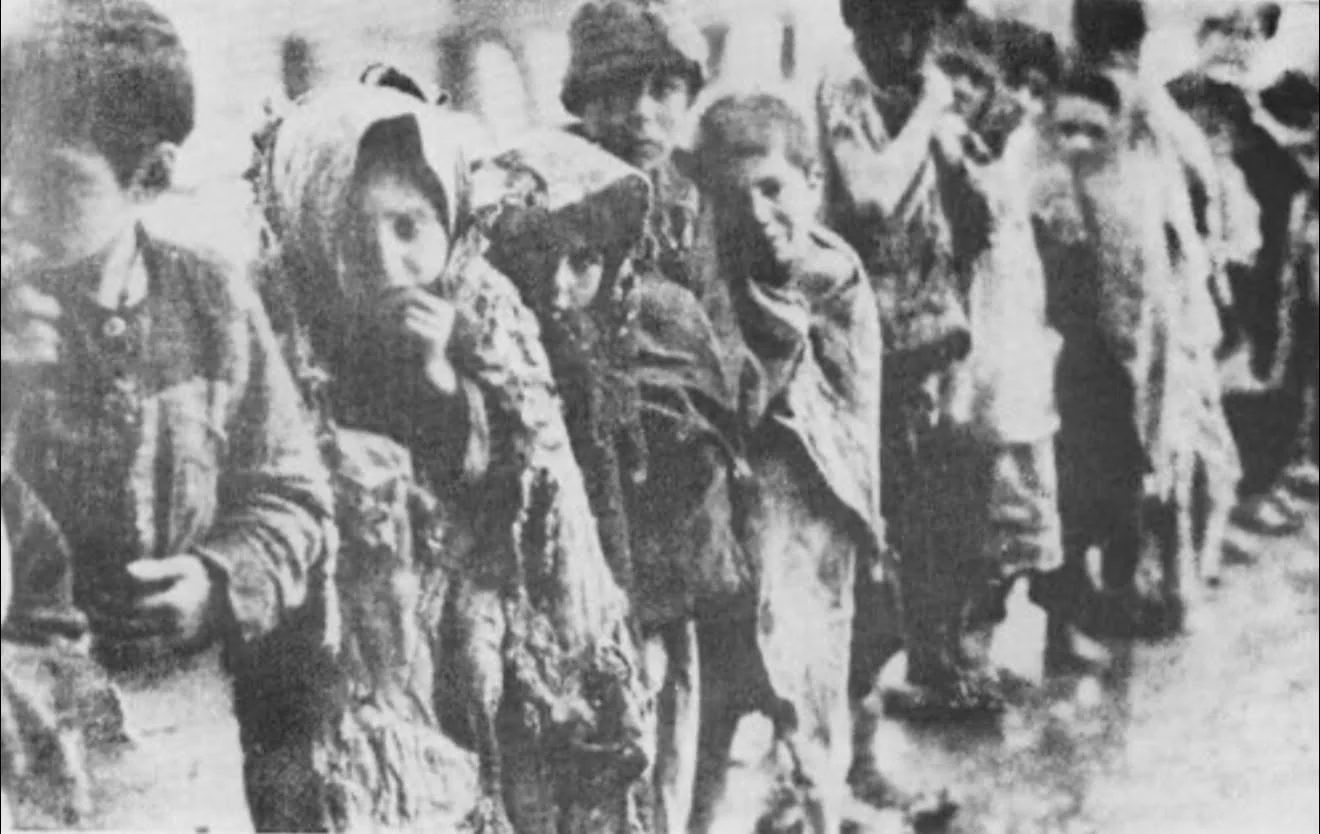
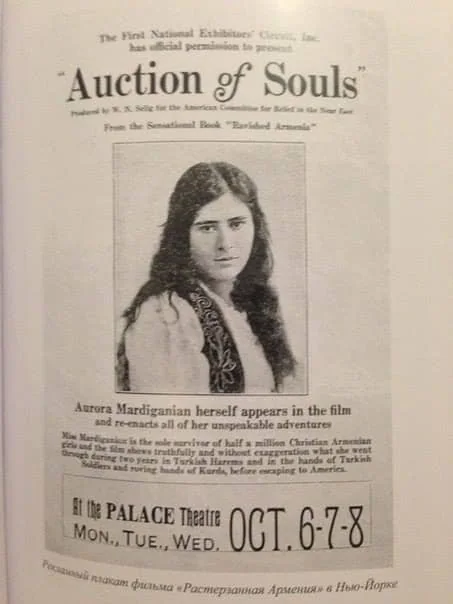
At the end of May 1915 the Ottoman government adopted a temporary law on deportation. The inhabitants of almost all Armenian communities of Western Armenia, Cilicia and Anatolia were forcibly deported towards the deserts of Syria and Mesopotamia. In many places men were separated and killed outside the towns, while women, children and the elderly were driven on foot in marches lasting weeks, during which thousands died of hunger, thirst, disease and violence. The Special Organisation played a leading role in these operations. Some of the survivors reached Aleppo and Deir ez-Zor, where in 1916 tens of thousands of people held in camps were also killed. Some women and children were forcibly converted or taken into Muslim households. Some Ottoman officials and ordinary people refused to take part or helped Armenians to survive.
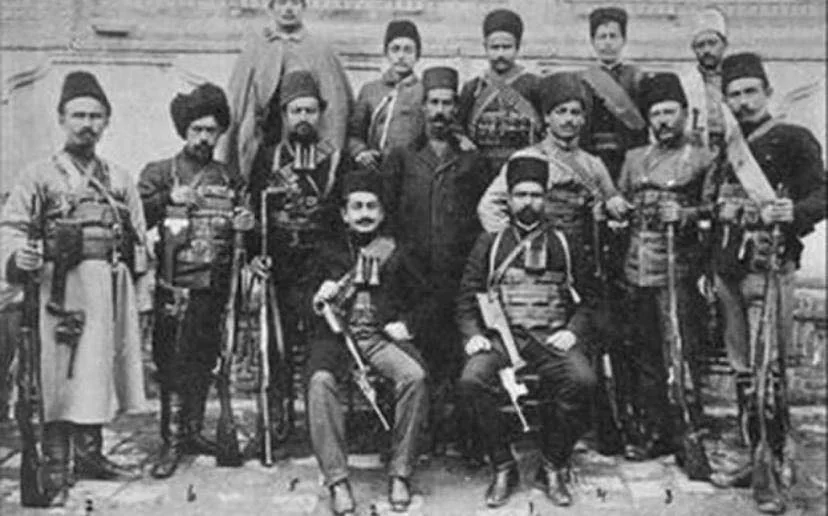
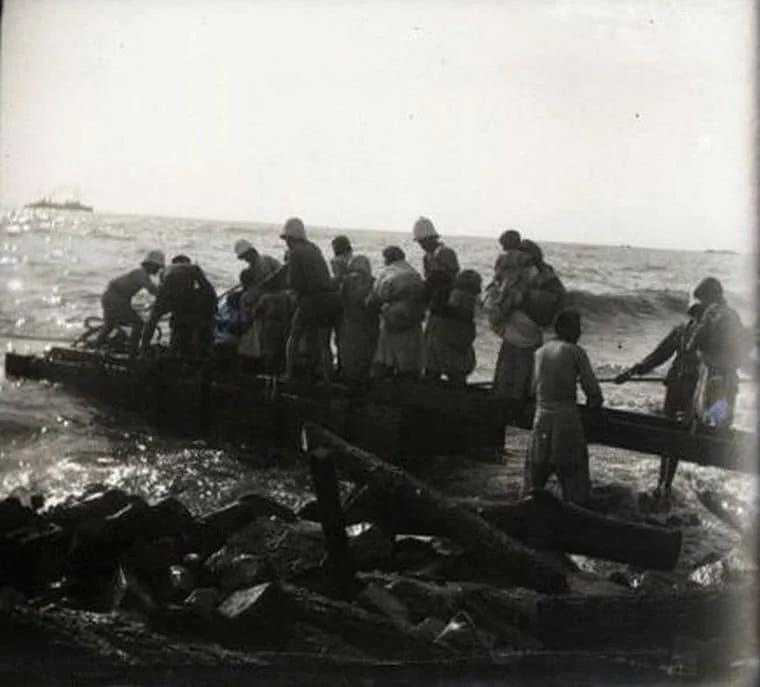
In some places Armenians resorted to self-defence. In April–May 1915 the Armenians of Van defended themselves in the city for about 4 weeks, until the Russian army and Armenian volunteers approached. The inhabitants of 6 villages of Musa Ler (Musa Dagh) refused to be deported and in the summer of 1915 resisted on the mountain for more than 1 month, until in September French warships carried them — about 4,000 people — to Port Said. There were also attempts at self-defence in Karahisar, Edessa (Urfa) and elsewhere, but most of them were crushed.
The exact number of victims is not known. Most historians estimate that about 1 million Armenians or more perished in 1915–1923, while the traditional Armenian figure is 1.5 million. In the same period the Assyrians and Greeks of the empire also suffered heavy losses. Armenian life in Western Armenia and Cilicia, which had lasted for millennia, was cut off, and thousands of churches, monasteries and schools were destroyed or abandoned. In May 1915 the Entente powers, in a joint declaration, condemned these acts as “crimes against humanity and civilisation” and warned that those responsible would be held to account.
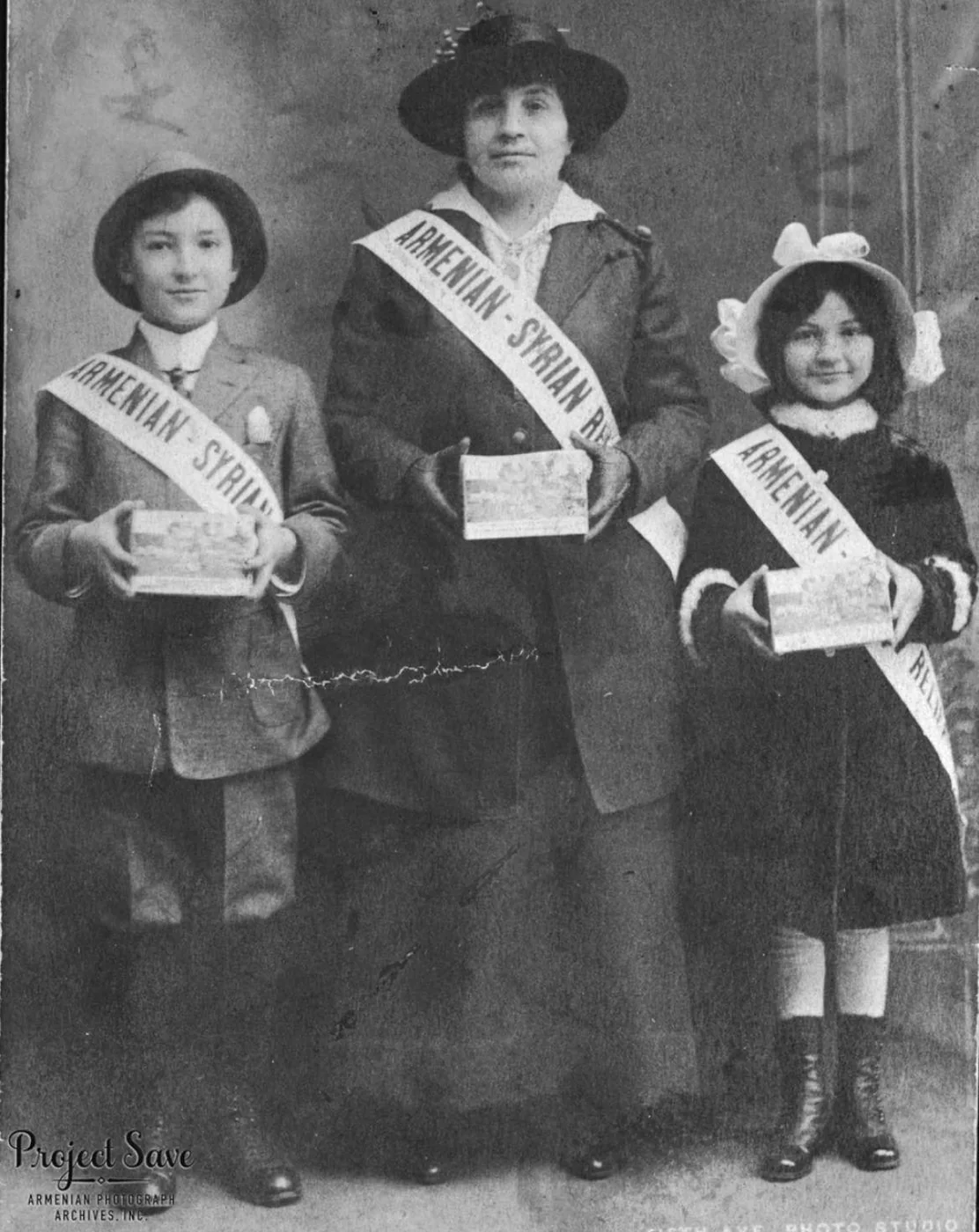
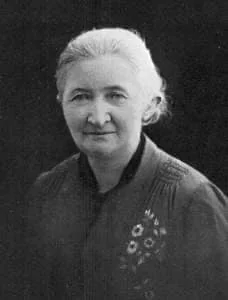
Thousands of children were orphaned. The American organisation Near East Relief, set up in 1915 as a committee for Armenian and Syrian relief, raised large sums and cared for tens of thousands of orphans in Syria, Lebanon, Greece and Armenia. In Alexandropol (Gyumri) thousands of children lived in its orphanages, and the town became known as the “city of orphans”. The Dane Karen Jeppe, Fridtjof Nansen and many others also stood out in relief work, while the US ambassador Henry Morgenthau and other eyewitnesses made public what they had seen. In 1919–1920 Ottoman military tribunals in Constantinople tried a number of those responsible and sentenced some of them to death, including Talaat in absentia, but these trials were soon halted.
The term “genocide” was coined in 1944 by the jurist Raphael Lemkin, whose thinking had also been shaped by the fate of the Armenians. The events of 1915–1923 have been recognised as genocide by many states and international organisations, including Uruguay (1965), the European Parliament (1987), France (2001), Germany (2016) and the United States (2019–2021). This assessment is also shared by the International Association of Genocide Scholars and by most historians, although the official position of Turkey rejects it. The survivors and their descendants became the foundation of today’s Armenian diaspora, and the Tsitsernakaberd memorial in Yerevan has become a place of remembrance and respect.