

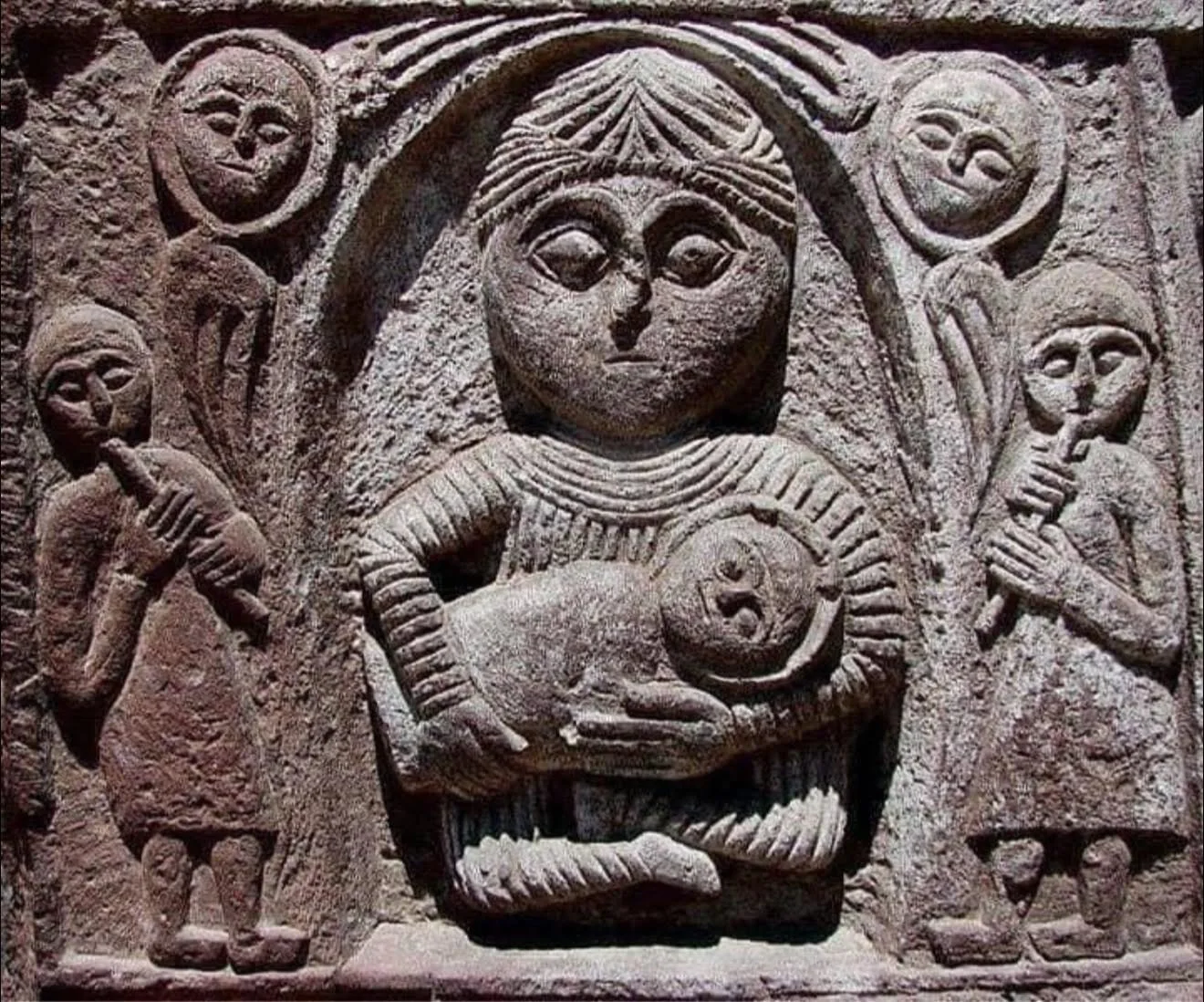
Stone relief with musicians
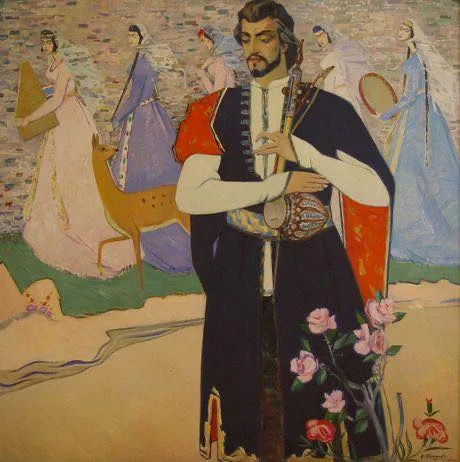
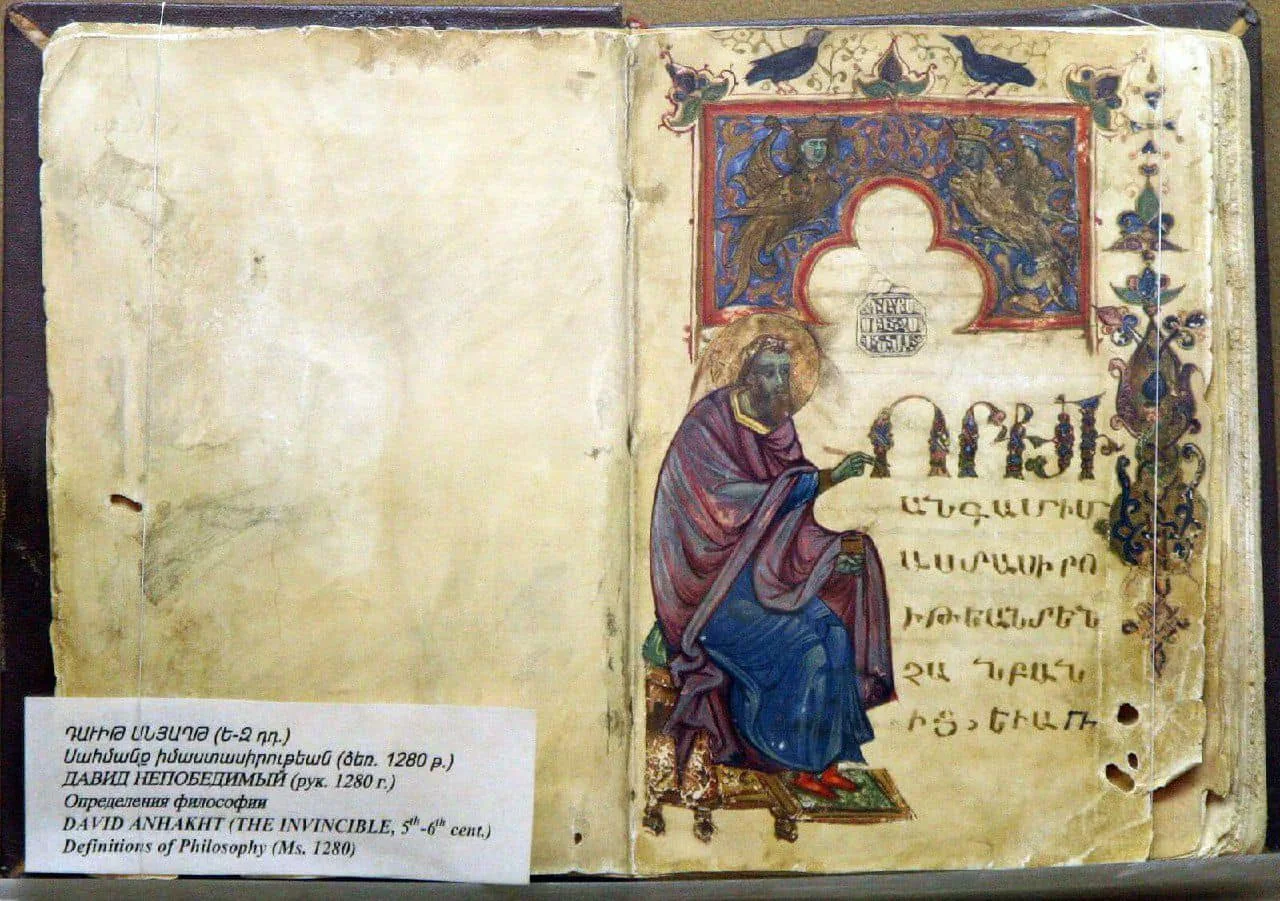
According to the source, the roots of Armenian duduk music go back to the time of King Tigran the Great (95–55 BC). The instrument is depicted in many medieval Armenian manuscripts, and the 5th-century historian Movses Khorenatsi already mentioned it under the name “tsiranapogh”. For centuries the duduk accompanied the important events of Armenian life: folk festivals, songs and dances, weddings and funerals. In the opinion of the ethnomusicologist Jonathan McCollum, the most important quality of the duduk is its ability to express the nuances and mood of the Armenian language.
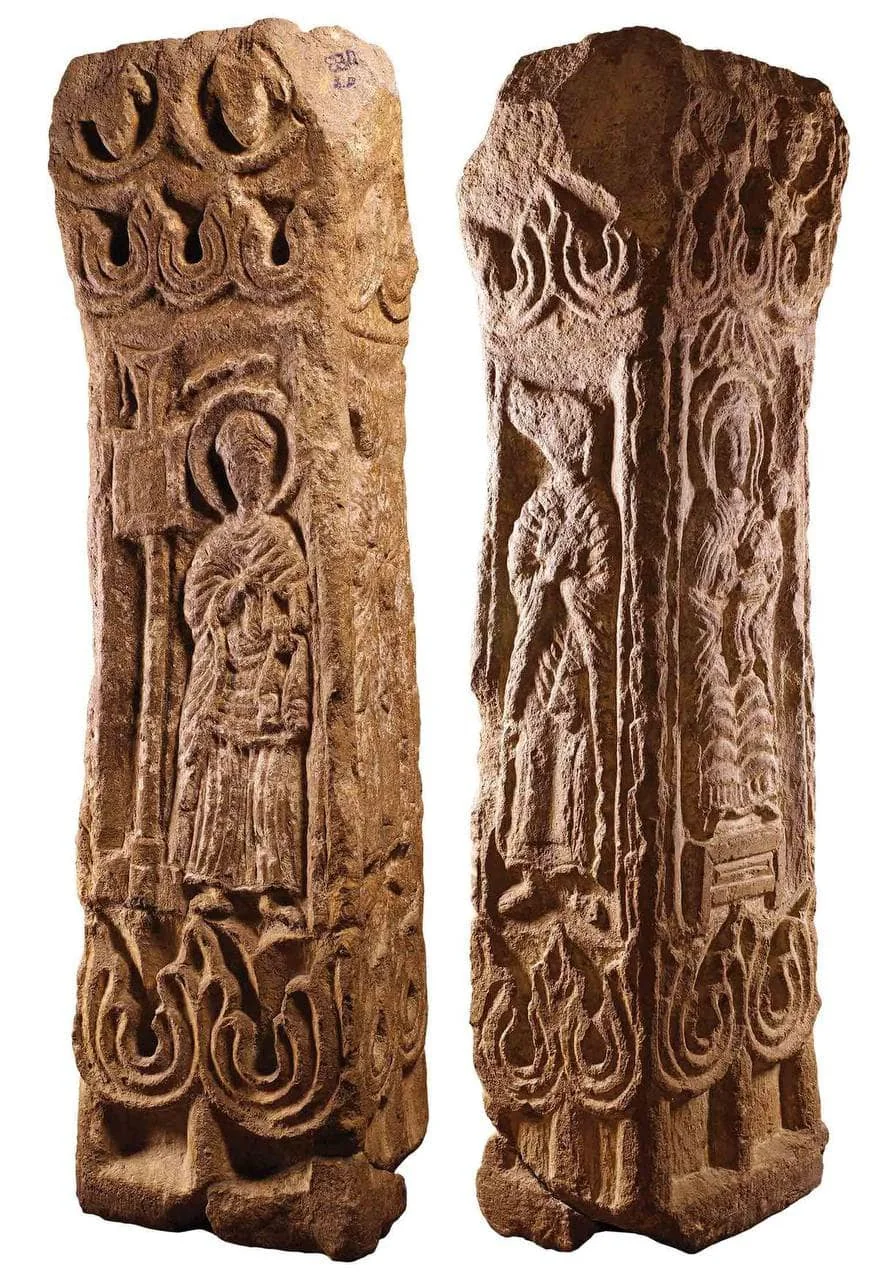
The photograph shows a stone relief. In the centre is a seated woman holding an infant, on both sides are figures playing wind instruments, and at the top are two faces with halos.